


Table of Contents
- Why Ultherapy Results Depend on Proper Aftercare
- Understanding Ulthera Technology and How It Works
- Preparing Your Skin Before Your Ultherapy Appointment
- Immediate Post-Treatment Care Protocol
- Managing Mild Side Effects and Discomfort
- Optimizing Results Through Skincare and Lifestyle
- Timeline for Visible Ultherapy Results
- Enhancing Ulthera with Complementary Treatments
- Follow-Up Appointments and Maintenance Schedule
- How We Customize Ultherapy for Your Goals
Why Ultherapy Results Depend on Proper Aftercare
Ultherapy delivers remarkable skin tightening and lifting outcomes, but the real difference between good results and exceptional ones often comes down to what you do after treatment. The ultrasound energy triggers a cascade of biological responses that continue for weeks and months post-treatment. Your skin is actively rebuilding collagen and elastin during this window, and proper care directly influences how effectively that process unfolds.
Many patients underestimate the power of aftercare protocol. We’ve observed that those who follow structured post-treatment guidance consistently report sharper definition in the jawline, more pronounced cheekbone elevation, and better overall skin texture compared to those who resume their normal routine immediately. Think of Ultherapy as initiating a renovation project; the treatment starts the work, but your aftercare determines the final quality of the finish.
The first two weeks are particularly critical. During this period, your skin is in a vulnerable state as micro-injuries heal and the inflammatory response drives collagen remodeling. Skipping proper care during these weeks can reduce overall efficacy by 20-30% based on clinical observations we’ve made at Éternité Medical Spa.
What to do next: Commit to following the post-treatment protocol we provide for at least 14 days, and ideally for the first month, to maximize your investment.
Understanding Ulthera Technology and How It Works
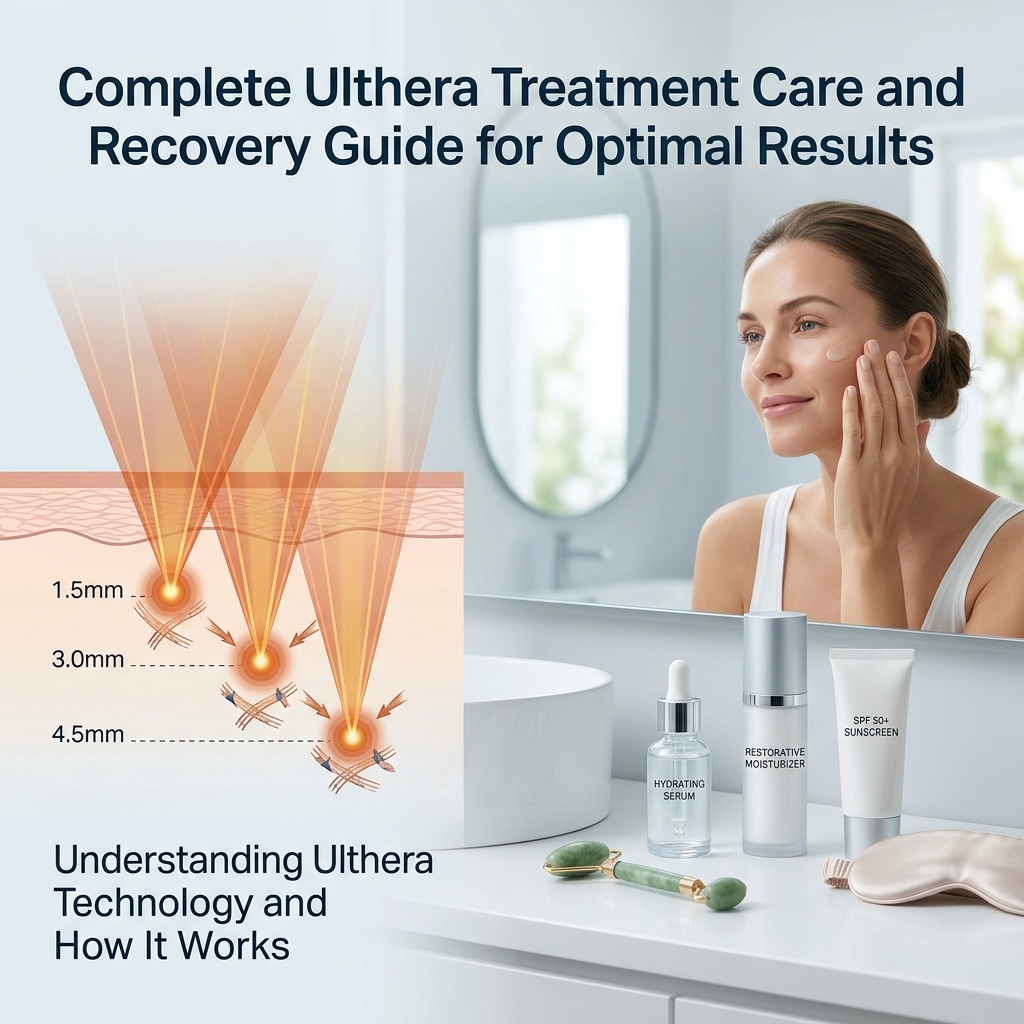
Ultherapy uses focused ultrasound energy to heat tissue at precise depths below the skin’s surface, ranging from 1.5 to 4.5 millimeters. This targeted heating stimulates the foundational layers responsible for skin firmness and elasticity. Unlike laser treatments that work on the surface, ultrasound penetrates through the epidermis to reach the deeper structures that most need rebuilding as we age.
The technology operates on a simple principle: controlled thermal injury triggers the body’s natural healing response. Fibroblasts (cells that produce collagen) sense this micro-trauma and increase collagen synthesis. Over the following months, new collagen cross-links form, creating tighter, more lifted skin. The beauty of this mechanism is that results improve gradually and naturally, without the artificial appearance sometimes associated with other interventions.
Each treatment is customized based on your anatomy and goals. We adjust the ultrasound frequency, depth of penetration, and treatment density to target specific problem areas whether you’re addressing loose jawline skin, neck laxity, or forehead lines. The precision of modern Ultherapy systems means we can treat delicate areas around the eyes with the same confidence we treat thicker facial zones.
The process feels like gentle tapping or brief warmth; most patients describe it as mildly uncomfortable but entirely tolerable. Sessions typically last 30 to 60 minutes depending on treatment area and customization.
Preparing Your Skin Before Your Ultherapy Appointment
Preparation begins one to two weeks before your scheduled appointment. We recommend discontinuing retinoids, vitamin C serums, and chemical exfoliants about five to seven days prior. These actives thin the stratum corneum and increase skin sensitivity, which can heighten post-treatment inflammation and discomfort.
Hydration is your priority. Drink adequate water and use a good moisturizer consistently in the days leading up to treatment. Well-hydrated skin responds more favorably to ultrasound energy and heals more efficiently afterward. We also advise avoiding prolonged sun exposure and using broad-spectrum SPF 30 or higher daily for at least one week before your appointment.
If you have a history of cold sores or herpes simplex, mention this during your consultation. We may recommend a preventive antiviral regimen to reduce reactivation risk. Similarly, if you’re on blood thinners or have conditions that affect healing, transparency during your pre-treatment consultation helps us tailor your specific aftercare plan.
On the day of treatment, arrive with clean, makeup-free skin. Avoid caffeine and alcohol for a few hours before your session, as both can increase inflammation and bruising tendencies. Wear comfortable, loose-fitting clothing that doesn’t rub against treated areas.
What to do next: Schedule your pre-treatment consultation at least one week before your appointment to discuss your medical history, current skincare routine, and any concerns.
Immediate Post-Treatment Care Protocol
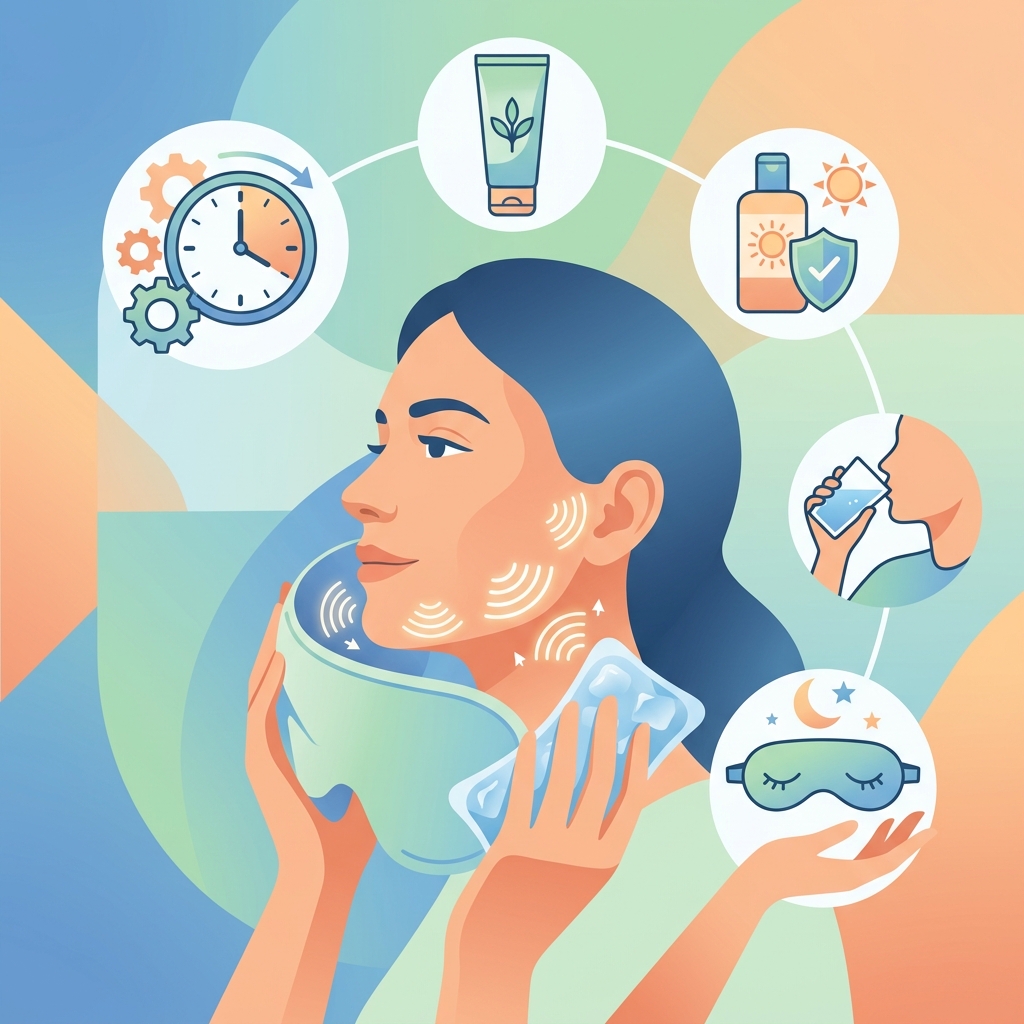
The first 24 hours require disciplined attention to several key practices. Your skin will likely show mild redness and possibly slight swelling; this is the inflammatory phase that drives healing. We recommend keeping your hands off your face entirely during this period. Touching treated areas introduces bacteria and disrupts the healing environment.
Cleanse gently with cool water and a non-foaming, non-irritating cleanser. Pat your skin dry rather than rubbing. Apply a soothing, fragrance-free moisturizer designed for sensitive skin. Hyaluronic acid serums followed by a good hydrating cream work beautifully during this phase. Avoid all active ingredients, including retinoids, acids, vitamin C, and peptides, for at least five to seven days.
Ice therapy helps manage swelling. Apply ice packs wrapped in a clean cloth for 10-15 minutes every hour or two during the first day. This reduces inflammation and provides comfort. Stay away from hot showers, saunas, steam rooms, and intense exercise for the first 48 hours, as heat amplifies inflammation.
Sun protection is non-negotiable. We recommend staying indoors or wearing wide-brimmed hats and protective clothing for at least 48 hours. If you must go outside, apply a mineral sunscreen with SPF 50+. UV exposure during the immediate post-treatment window can trigger hyperpigmentation and reduce the skin’s ability to heal optimally.
Sleep with your head elevated on an extra pillow to minimize fluid retention and swelling. This simple adjustment can noticeably reduce morning puffiness.
Managing Mild Side Effects and Discomfort
Redness typically peaks within the first 24 hours and gradually improves over 3-5 days. Some patients experience mild swelling that may last slightly longer. These reactions are temporary and indicate that the treatment is working. Over-the-counter acetaminophen or ibuprofen can manage any discomfort; ibuprofen also has mild anti-inflammatory benefits.
Slight bruising or darker patches occasionally appear in treated zones. These fade over 7-10 days. If bruising occurs, avoid aspirin and high-dose vitamin supplements that may increase bruising risk. Arnica gel or pellets can provide mild additional support, though evidence is modest.
Some patients notice temporary tightness or mild heaviness in treated areas. This sensation typically resolves within a few days and reflects the early stages of collagen remodeling. Gentle facial movements and normal expressions actually support healing; don’t feel you need to avoid facial movement entirely.
Rarely, patients experience temporary nerve sensitivity or tingling. If this occurs, contact our office immediately. Most of these sensations resolve quickly, but professional evaluation ensures peace of mind.
Avoid taking facial massages, microdermabrasion, or other intensive treatments for at least two weeks post-Ultherapy. Your skin is already in active remodeling mode and doesn’t need additional stimulation during this critical window.
Optimizing Results Through Skincare and Lifestyle
Once the acute phase (first week) has passed, you can reintroduce a basic, non-irritating skincare routine. Focus on hydration and barrier support rather than active ingredients. A good hyaluronic acid serum, niacinamide moisturizer, and quality sunscreen form the foundation during weeks two and three.
By week three or four, you can cautiously reintroduce gentle retinoids at low concentration or reduced frequency. Start with a 0.25% retinol or retinol alternative once or twice weekly, gradually increasing frequency as tolerated. This supports the collagen-building momentum Ultherapy has initiated.
Protein and micronutrient intake directly influence collagen synthesis. Ensure adequate intake of amino acids (particularly glycine and proline), vitamin C, zinc, and copper. These nutrients are fundamental building blocks for new collagen. While supplementation can help, food sources like bone broth, citrus fruits, nuts, and seafood are often most effective.
Sleep quality affects healing profoundly. Aim for 7-9 hours nightly. During sleep, your body upregulates growth hormone and directs resources toward tissue repair. Prioritizing sleep during the first month post-treatment accelerates your results.
Stress management also matters. Elevated cortisol suppresses collagen synthesis and prolongs inflammation. Consider meditation, gentle yoga, or other stress-reduction practices during your recovery period.
Timeline for Visible Ultherapy Results
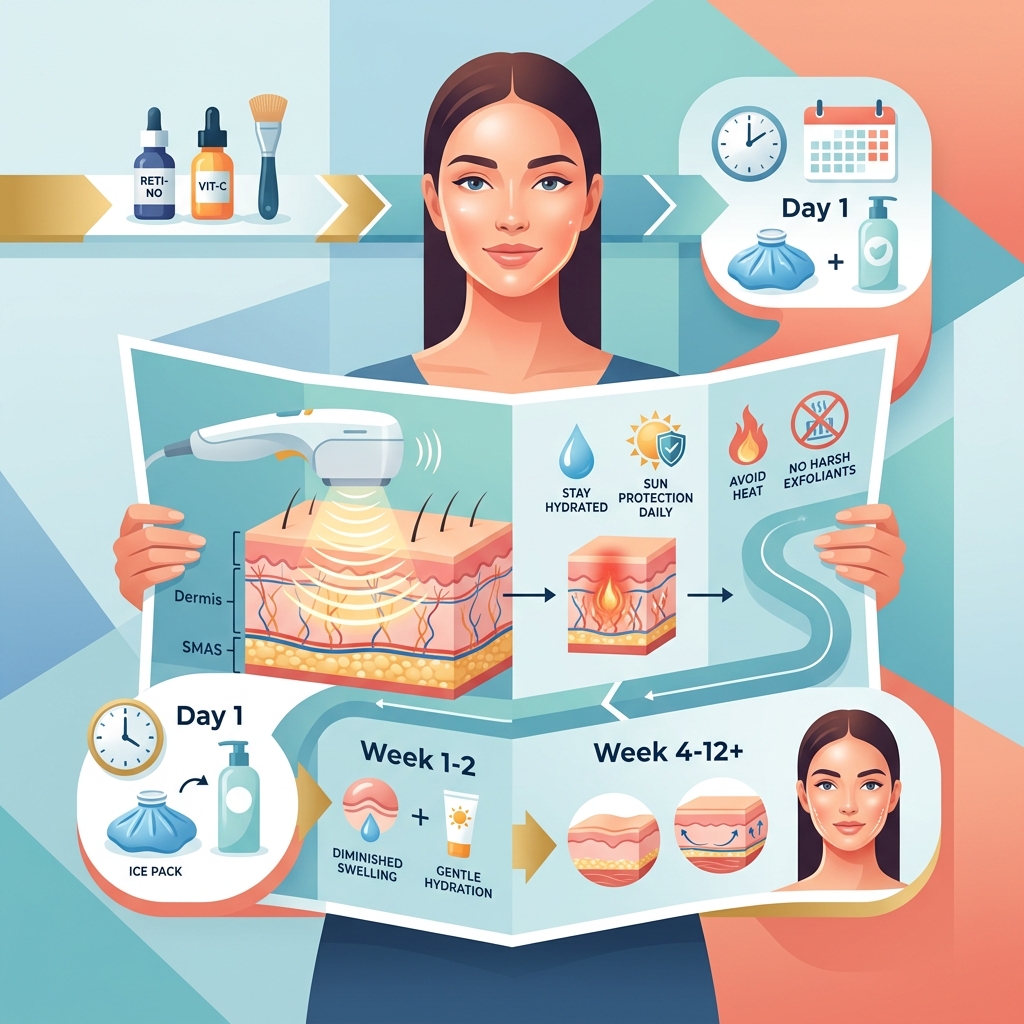
Results unfold gradually, which can feel like a long wait but actually indicates natural, sustainable improvement. Most patients notice initial tightness and subtle lift within 2-3 weeks as acute swelling resolves and early collagen response begins.
At the 6-8 week mark, more noticeable tightening and definition become apparent. The jawline looks crisper, the neck appears smoother, and overall facial contours feel more sculpted. Skin texture and fine line softening also become evident.
The most dramatic improvements typically emerge between 8 and 16 weeks. This extended timeline reflects the gradual cross-linking of new collagen fibers and the ongoing remodeling of deeper skin structures. Some patients continue seeing incremental improvements for several months.
Full results plateau around the 6-month mark. At this point, the collagen remodeling process has largely completed, and you’ll have a clear sense of what Ultherapy has achieved for your specific concerns. Many patients find the results exceed their expectations.
Longevity varies, but most patients maintain excellent results for 12-18 months. As collagen naturally degrades over time (we lose about 1% yearly after age 30), maintenance treatments spaced 12-24 months apart help sustain the lift and tightness you’ve achieved.
Enhancing Ulthera with Complementary Treatments
Ultherapy works beautifully as a standalone treatment, but combining it strategically with other modalities can amplify and extend results. We often recommend pairing Ultherapy with RF microneedling for comprehensive skin tightening and texture refinement. While Ultherapy targets deeper structures, RF microneedling addresses mid-to-superficial layers, creating synergistic collagen stimulation.
Injectable treatments like dermal fillers complement Ultherapy exceptionally well. Once initial Ultherapy results have settled (around 6 weeks), strategic filler placement can restore volume lost to aging in areas Ultherapy tightens, creating a more balanced, natural rejuvenation.
Chemical peels or gentler resurfacing treatments can be layered 4-6 weeks after Ultherapy to address superficial texture, hyperpigmentation, or fine lines. This staged approach allows each treatment’s benefits to fully manifest without overwhelming your skin’s healing capacity.
For patients seeking comprehensive facial rejuvenation, we also offer Attiva and EndoLift skin tightening technologies that work synergistically with Ultherapy’s deep collagen stimulation. Your customized treatment plan depends on your specific goals and starting point.
What to do next: Discuss complementary treatment options during your post-treatment follow-up to understand which combinations align with your longevity and aesthetic goals.
Follow-Up Appointments and Maintenance Schedule
We schedule an initial follow-up appointment two weeks after your Ultherapy treatment. During this visit, we assess your healing progress, verify that side effects are resolving normally, and answer any questions about your results timeline. This appointment gives us a chance to refine your at-home care if needed.
A second follow-up at the 8-week mark helps you see early-stage results and adjust expectations based on your individual response. Some patients plateau slightly earlier or later than average, and this check-in confirms you’re on track.
For maintenance, most patients return for a single treatment 12-18 months after their initial appointment. This “refresh” treatment reinforces collagen production and sustains the lift and tightness you’ve achieved. Many patients space maintenance treatments 18-24 months apart once they understand their individual results timeline.
If you’ve combined Ultherapy with complementary treatments, maintenance scheduling becomes slightly more nuanced. We create a personalized timeline that staggers treatments strategically so your skin is never in simultaneous intensive healing from multiple modalities.
How We Customize Ultherapy for Your Goals
Every patient’s anatomy, skin quality, and aesthetic priorities differ significantly. Our approach begins with a detailed consultation where we assess your current skin condition, underlying facial structure, specific areas of concern, and your realistic expectations for results.
We examine factors like skin laxity severity, depth of wrinkles, overall facial proportions, and whether you’re primarily concerned with the face, neck, jawline, or a combination. Some patients need aggressive treatment density in focal areas, while others benefit from comprehensive but lighter treatment across broader zones.
Your age, skin type, and healing history also inform customization. Younger patients with minimal laxity might receive lighter treatment to prevent over-tightening, while mature patients with significant laxity benefit from more intensive protocols. Those with darker skin tones receive modified treatment parameters to minimize post-inflammatory hyperpigmentation risk.
We also consider your timeline. If you have a special event approaching, we adjust your treatment plan and may recommend combination therapies to accelerate visible results safely. Conversely, if you prefer gradual, subtle improvement, we dial treatment intensity accordingly.
Throughout the process, our team educates you thoroughly about what to expect, realistic outcome parameters for your specific concerns, and how your individual healing and collagen response might differ from average timelines. This transparency builds realistic expectations and maximizes satisfaction with your results.
Your journey toward optimal skin tightening and facial rejuvenation begins with expert guidance tailored to your unique needs. Contact our team at Éternité Medical Spa in Manhattan or New Providence to schedule your Ultherapy consultation and discover how this advanced technology can enhance your natural beauty.