


Table of Contents
- 1. Compression Therapy for Enhanced Circulation and Results
- 2. Sun Protection Strategies During Your Healing Phase
- 3. Hydration and Nutrition for Accelerated Recovery
- 4. Activity Modifications and Exercise Guidelines
- 5. Skincare Routine Adjustments Post-Treatment
- 6. Monitoring and Managing Minor Side Effects
- 7. Follow-Up Appointments and Progress Assessment
- Frequently Asked Questions (FAQ)
1. Compression Therapy for Enhanced Circulation and Results
InMode vein treatment represents a significant advancement in addressing vascular concerns without invasive surgery. Whether you’re treating spider veins, reticular veins, or deeper vascular issues, the recovery phase directly influences your final aesthetic outcome. At Éternité Medical Aesthetics & Longevity Centers, we’ve guided thousands of patients through post-treatment protocols that maximize results while minimizing discomfort.
The key difference between adequate recovery and optimal recovery lies in deliberate aftercare. Your body’s natural healing response requires specific support to achieve the smooth, clear skin you’re investing in. The next seven strategies form the clinical foundation for successful InMode vein treatment outcomes.
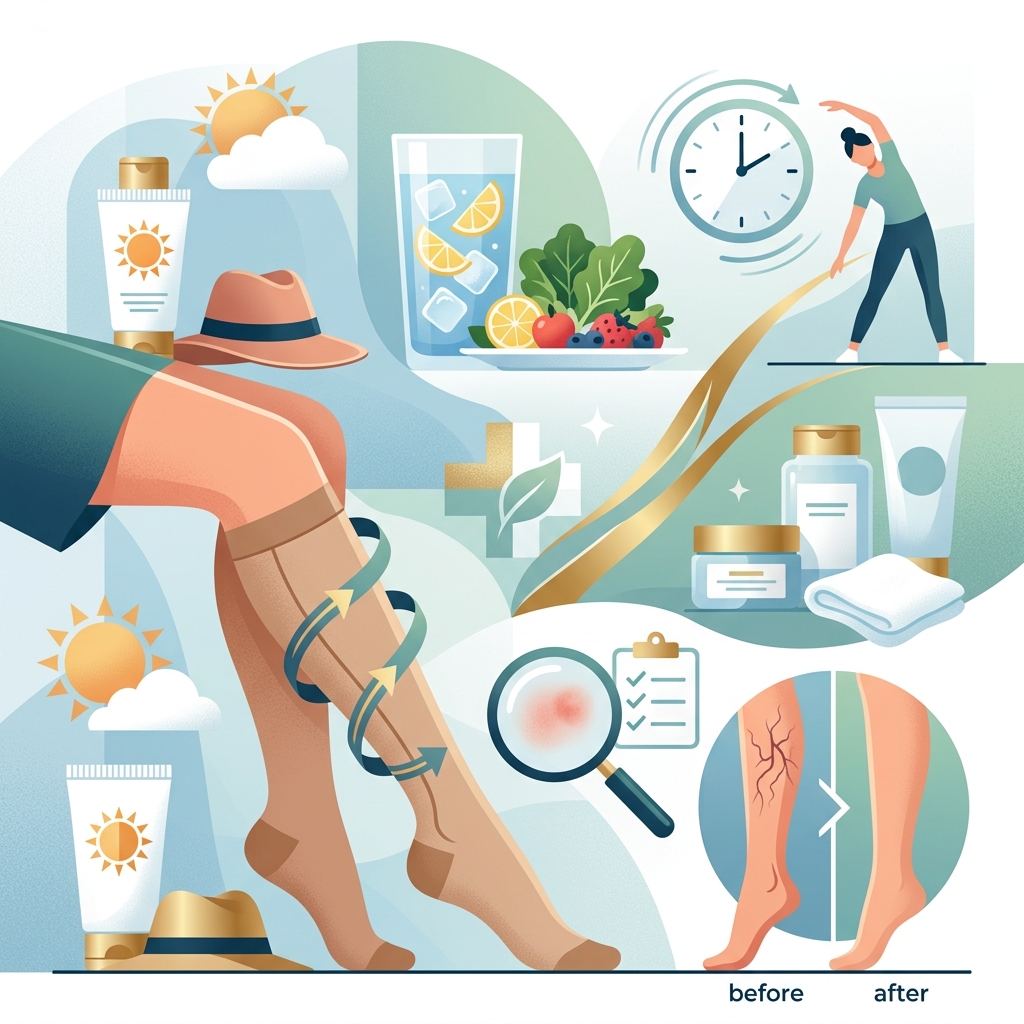
Compression therapy accelerates lymphatic drainage and prevents blood from re-entering treated vessels during the critical healing window. This isn’t optional comfort; it’s a clinical requirement that directly affects how your treated veins respond.
We recommend compression garments rated between 20-30 mmHg for the treated area. If you’re addressing leg veins, compression socks or graduated stockings should be worn consistently for the first 48-72 hours post-treatment, ideally extending to one week for optimal outcomes. For facial or neck vein treatments, we may recommend compression wraps or specialized bandaging depending on the treatment scope.
The compression serves two purposes: it reduces swelling that naturally occurs after treatment, and it maintains vessel closure as your body’s healing response kicks in. Without adequate compression, micro-inflammation can trigger compensatory blood flow patterns, potentially requiring additional sessions to achieve your desired result.
Action item: Acquire compression garments before your appointment. We’ll provide sizing recommendations during your consultation, ensuring proper fit from day one. Ill-fitting compression loses effectiveness entirely.
2. Sun Protection Strategies During Your Healing Phase
UV exposure during vein treatment recovery can trigger hyperpigmentation in treated areas and compromise your vascular response. This is especially relevant for patients with darker or olive skin tones, where post-inflammatory hyperpigmentation presents a genuine risk.
Your treated veins are already experiencing cellular stress as they collapse and reabsorb. Adding UV-induced oxidative stress creates competing healing demands that can extend recovery and muddy final results. We recommend:
- SPF 50+ broad-spectrum sunscreen applied every two hours on exposed treated areas
- Physical sun protection (long sleeves, hats) when direct sun exposure cannot be avoided
- Avoidance of intentional sun exposure for at least two weeks post-treatment
- No tanning beds or spray tans for a minimum of three weeks
Many patients underestimate sun protection because they don’t “feel” the damage happening in real time. However, UV damage compounds silently during healing, and by the time hyperpigmentation appears (usually 2-4 weeks later), the damage is difficult to reverse. Preventive sun protection is dramatically more effective than corrective treatment afterward.
Action item: Schedule your treatment during seasons or months when sun exposure aligns with your lifestyle. If you live an outdoor-heavy life, plan your treatment during cooler months when coverage is naturally easier.
3. Hydration and Nutrition for Accelerated Recovery
Your circulatory system requires optimal hydration to efficiently clear the inflammatory byproducts that vein treatment creates. Dehydration slows lymphatic clearance, extending swelling and delaying the visible improvement you’re expecting.
We recommend increasing water intake to 3-4 liters daily for the first week post-treatment. This supports your lymphatic system’s natural drainage capacity without creating excessive volume that stresses your cardiovascular system. Electrolyte balance matters too; consider adding a electrolyte supplement without excessive sugar if you’re significantly increasing fluid intake.
Beyond water, nutritional support accelerates collagen remodeling and vascular healing. Increase protein intake to support tissue repair (aim for 1.2-1.5g per kg of body weight daily). Include foods rich in vitamin C (citrus, berries, peppers), zinc (shellfish, beef, pumpkin seeds), and omega-3 fatty acids (fatty fish, flaxseed, walnuts). These micronutrients directly support angiogenesis regulation and reduce excessive inflammatory signaling.
Equally important: avoid alcohol for 48 hours post-treatment. Alcohol is a vasodilator that works against the vein closure you’re trying to achieve. It also dehydrates tissue during the critical early healing phase.
Action item: Prepare a hydration schedule the week before your treatment. Stock your home or office with water and electrolyte beverages so proper hydration requires no planning during recovery.
4. Activity Modifications and Exercise Guidelines
Your treated veins are undergoing controlled collapse and reabsorption. Strenuous activity increases venous pressure, potentially forcing blood back into vessels you’ve just treated, undoing the therapeutic effect.
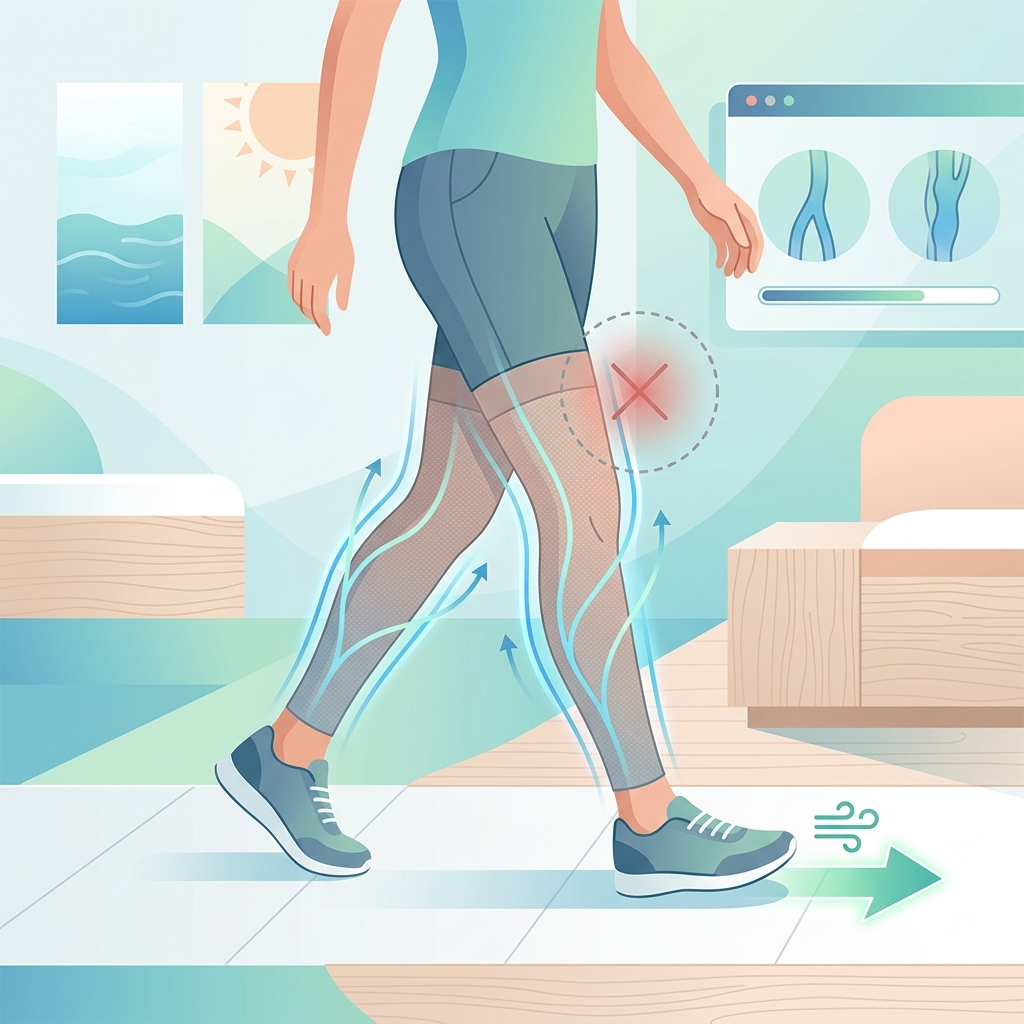
For the first 48-72 hours, we recommend complete avoidance of high-impact exercise, heavy lifting, and activities that elevate heart rate significantly above resting levels. This includes running, CrossFit-style workouts, hot yoga, and strength training. During this window, gentle walking (20-30 minutes at conversational pace) actually supports recovery by promoting healthy circulation without creating venous pressure.
After 72 hours, you can gradually reintroduce moderate activity if you’re experiencing no significant swelling or discomfort. Return to your full exercise routine over the course of 7-10 days, starting with 50% intensity and duration and increasing by 10-15% every few days. Listen to your body; if swelling increases after activity, scale back intensity.
Standing occupations require more accommodation than desk work. If your job requires prolonged standing, plan your treatment for a period when you can modify work duties, elevate your legs during breaks, or work from home for 3-5 days post-treatment.
Action item: Inform your employer or trainer about your treatment timing. Planning around your schedule prevents the temptation to rush back to normal activity when healing needs modification.
5. Skincare Routine Adjustments Post-Treatment
Your treated skin requires temporary modifications to support healing without introducing irritants during a sensitive window. The vein treatment essentially creates controlled micro-trauma, triggering your skin’s repair response.
For the first week, use only gentle, fragrance-free cleansers. Avoid active skincare ingredients including retinoids, vitamin C serums, niacinamide, hydroxy acids (AHA/BHA), and peptide serums. These ingredients increase skin turnover or stimulate inflammation, which conflicts with your healing protocol. Your skin needs calm and protection, not stimulation.
Apply a healing-focused moisturizer with ceramides and hyaluronic acid to support your skin barrier during recovery. If swelling is present, consider a moisturizer with soothing ingredients like centella asiatica or allantoin. Avoid hot showers or baths; warm water is acceptable, but heat dilates blood vessels unnecessarily during recovery.
After one week, you can gradually reintroduce your normal skincare routine if all swelling has resolved and your skin feels stable. Begin with one product every 2-3 days rather than introducing your full routine simultaneously.
Action item: Simplify your skincare routine before your appointment. Buy a gentle cleanser and healing moisturizer specifically for your recovery week, keeping your routine to three steps maximum (cleanse, moisturize, SPF).
6. Monitoring and Managing Minor Side Effects
Understanding normal post-treatment responses prevents unnecessary concern and helps you recognize when professional guidance is needed. Mild bruising, localized swelling, and slight skin texture changes are expected and self-resolve.
Bruising typically appears within 24-48 hours and fades over 1-2 weeks as your body reabsorbs blood from treated vessels. If bruising is cosmetically bothersome, silicone-based makeup can provide coverage. Avoid covering the area with occlusive bandages that trap moisture and heat.
Mild swelling peaks around day 2-3 and resolves within 7-10 days with proper compression and elevation. Swelling that worsens beyond day three, or is accompanied by warmth, increasing redness, or drainage, requires prompt contact with our clinical team to rule out infection.
Some patients experience temporary hyperpigmentation in treated areas as melanin responds to the treatment stimulus. This typically fades over 4-12 weeks but can be minimized through aggressive sun protection. Rare complications like temporary nerve sensitivity resolve within days to weeks; persistent numbness warrants evaluation.
Action item: Document your recovery with photos taken at consistent times (morning, pre-sun exposure) every 2-3 days. This objective record helps distinguish normal healing from concerning changes and provides valuable information during your follow-up appointment.
7. Follow-Up Appointments and Progress Assessment
Your recovery doesn’t end when swelling subsides. The vascular remodeling process continues for 4-12 weeks as your body absorbs treated vessels and redirects blood flow through healthier alternatives. Strategic follow-up assessments ensure optimal outcomes and identify whether additional sessions are needed.
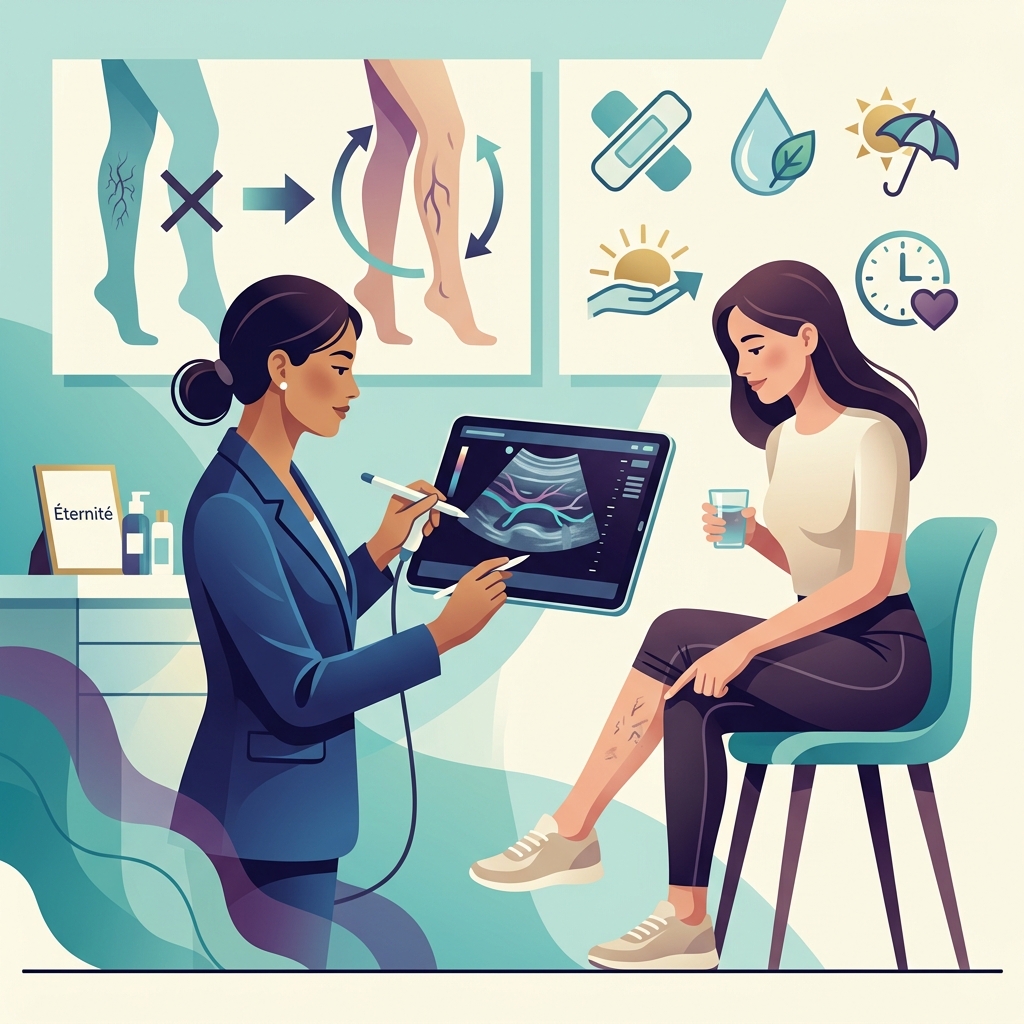
We schedule initial follow-up appointments at two weeks post-treatment to assess early healing, confirm proper compression response, and address any unexpected reactions. This appointment confirms you’re progressing on the normal recovery trajectory. A second follow-up at six weeks allows us to evaluate the full extent of vein clearance as the complete remodeling response unfolds.
During these appointments, our clinical team evaluates whether the treated area has achieved your aesthetic goals or whether additional sessions would provide refinement. Most patients see dramatic improvement after a single session, but deeper or more extensive vascular concerns may benefit from staged treatments spaced 4-6 weeks apart.
At Éternité Medical Aesthetics & Longevity Centers, we provide personalized follow-up protocols because vascular healing varies based on vessel depth, skin type, and individual healing capacity. Our clinicians adjust your ongoing care based on your specific response to treatment.
Action item: Schedule both follow-up appointments before leaving your treatment day. This ensures you maintain optimal timing without scrambling to find availability during your recovery window.
Your InMode vein treatment success depends equally on the technology and your commitment to structured recovery. The strategies outlined above represent clinically validated protocols that our most successful patients follow consistently. By treating recovery as seriously as the treatment itself, you maximize the aesthetic transformation you’re investing in, ensuring clear, beautiful skin that reflects your commitment to wellness.
Contact Us Today For a Free Consultation
Frequently Asked Questions (FAQ)
What can I expect during my InMode vein treatment recovery period?
Our InMode vein treatment typically requires minimal downtime, though you may experience mild swelling, redness, or bruising at the treatment site for several days. We recommend our patients wear compression therapy for the first 1-2 weeks to enhance circulation and support optimal healing. Most of our clients return to normal activities immediately, though we advise avoiding strenuous exercise for at least 5-7 days following your session.
How should I modify my skincare routine after InMode vein treatment?
We suggest keeping your post-treatment skincare simple and gentle for the first week. Avoid applying harsh products, exfoliants, or active ingredients like retinol and vitamin C directly on the treated areas until the redness subsides. Focus on hydrating your skin with our recommended gentle cleansers and moisturizers, and always apply broad-spectrum SPF 30+ sunscreen daily since sun exposure can compromise your results.
When should I schedule my follow-up appointment to assess my vein treatment results?
We typically recommend scheduling your first follow-up appointment 2-3 weeks after your initial InMode treatment so we can properly evaluate your healing progress and any changes to the treated veins. Multiple sessions are often necessary for optimal results, and we’ll create a customized treatment plan based on your individual response. Our team will monitor your progress throughout your recovery and adjust your aftercare protocol as needed.