


Table of Contents
- The Growing Demand for Women's Incontinence Treatment Solutions
- Understanding Urinary Incontinence: Why Women Seek Professional Care
- Why Traditional Approaches Fall Short for Your Patients
- Introducing Votiva: RF-Based Tissue Rejuvenation for Incontinence
- Introducing the O-Shot: PRP Therapy for Complete Intimate Wellness
- Complementary Benefits: How Votiva and O-Shot Work Together
- Clinical Protocols for Your Incontinence Treatment Center
- Creating a Welcoming Experience for Intimate Wellness Patients
- Building Patient Trust Through Medical Expertise and Compassion
- Marketing Your Women's Incontinence Clinic Effectively
- Measuring Success and Patient Outcomes in Your Practice
- Getting Started: Implementation and Training for Your Team
- Frequently Asked Questions (FAQ)
The Growing Demand for Women’s Incontinence Treatment Solutions
Women’s urinary incontinence affects millions across the United States, yet it remains one of the most underreported and undertreated conditions in medical practice. The stigma surrounding intimate health issues has historically prevented women from seeking care, but this landscape is shifting rapidly. We’re witnessing unprecedented demand for non-invasive, physician-administered solutions that restore continence while preserving dignity and natural function.
Market research indicates that women are increasingly willing to invest in specialized feminine wellness treatments when they understand the options. This represents a significant opportunity for medical aesthetics practices to expand their service offerings into intimate health care. The convergence of advanced technology, growing patient awareness, and proven clinical outcomes has created the ideal moment to establish a women’s incontinence treatment center.
Your patients are ready for solutions that go beyond pharmaceutical management. By positioning your practice as a destination for advanced incontinence care, you’ll differentiate yourself in a competitive market while serving a deeply underserved patient population.
Understanding Urinary Incontinence: Why Women Seek Professional Care
Urinary incontinence manifests in several distinct patterns, each with different underlying causes. Stress incontinence occurs during physical activity, coughing, sneezing, or exercise when weakened pelvic floor muscles fail to support the urethra. Urgency incontinence involves sudden, compelling urges to urinate followed by involuntary leakage. Many women experience a mixed presentation of both types.
The root cause typically involves loss of tissue elasticity, collagen degradation, and weakened neuromuscular control in the pelvic floor and vaginal structures. Childbirth, hormonal changes, aging, and repeated high-impact activities all contribute to this progressive decline. Unlike simple bladder dysfunction, true incontinence reflects structural changes in the supporting tissues themselves.
Women seek professional care because the impact on quality of life becomes unbearable. They avoid exercise, social activities, and intimate relationships due to fear of leakage. Psychological burden often exceeds the physical inconvenience. When these patients discover that modern regenerative treatments can restore tissue function without surgery or medications, they pursue care with urgency and genuine gratitude.
Why Traditional Approaches Fall Short for Your Patients
Pelvic floor physical therapy and Kegel exercises represent the first line of conservative management, yet they deliver inconsistent results and require months of dedicated practice. Many women plateau in their improvements or find that benefits diminish over time. Pharmaceutical management with anticholinergic medications carries side effects that many patients find unacceptable, including dry mouth, cognitive effects, and constipation.
Surgical intervention has historically been the only other option, but invasive procedures carry anesthesia risk, recovery downtime, and potential complications including urinary retention and sexual dysfunction. Surgical outcomes also vary significantly, and some women remain incontinent even after procedures. The invasiveness itself deters many candidates from pursuing surgery.
Modern women increasingly seek solutions that are minimally invasive, science-backed, and capable of addressing the tissue-level pathology rather than simply masking symptoms. They want treatments that enhance overall intimate wellness, not just eliminate leakage. This is where regenerative approaches become transformative.
Introducing Votiva: RF-Based Tissue Rejuvenation for Incontinence
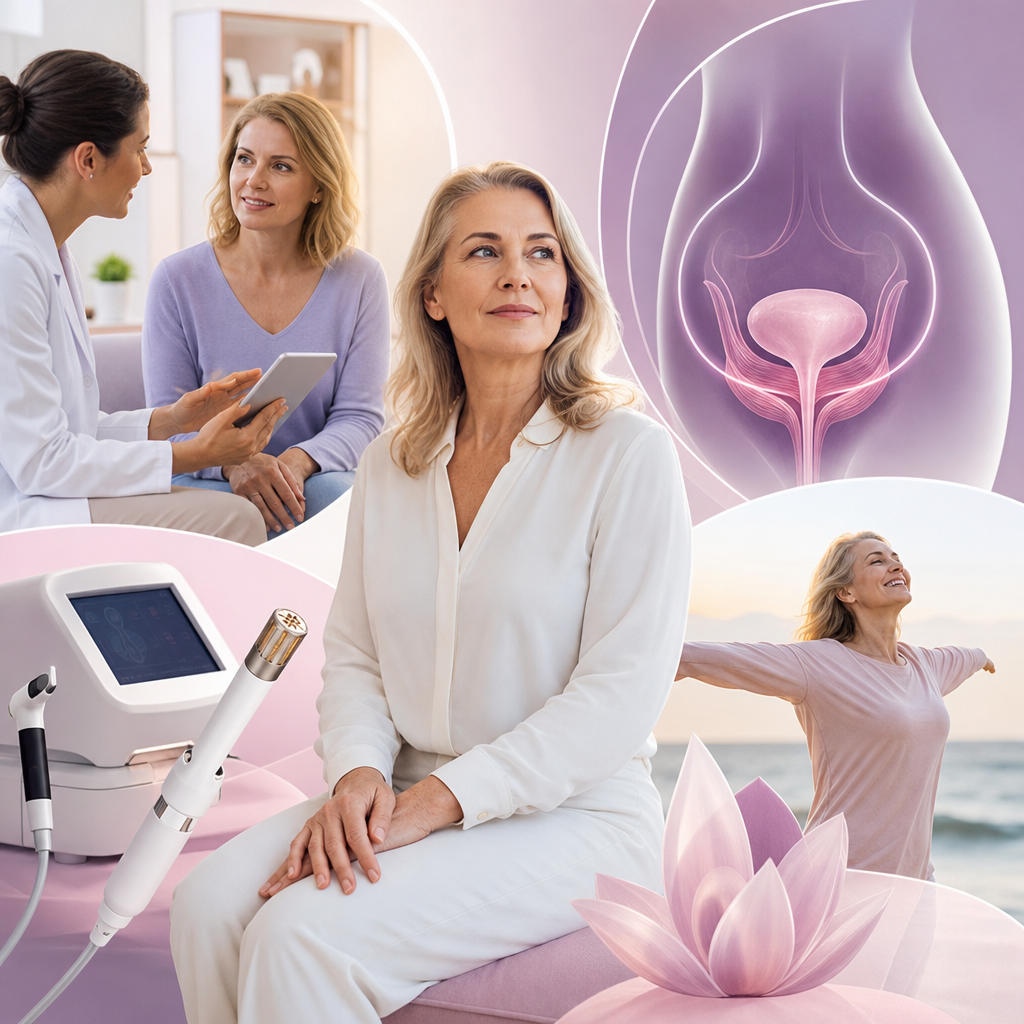
Votiva vaginal rejuvenation represents a paradigm shift in how we approach incontinence at the tissue level. This radiofrequency-based system delivers precise thermal energy to vaginal and perineal tissues, stimulating collagen remodeling and tissue contraction. The treatment restores structural support, improves tissue elasticity, and enhances neuromuscular control in the pelvic floor complex.
The mechanism is elegantly simple yet remarkably effective. RF energy penetrates multiple tissue planes, triggering immediate thermal contraction of existing collagen while simultaneously stimulating fibroblast activity for long-term collagen regeneration. This dual action addresses both immediate tissue tightening and sustained structural improvement over weeks and months following treatment.
Clinical protocols typically involve a series of three treatments spaced four to six weeks apart, with maintenance treatments annually. Patients experience minimal discomfort during the procedure and return to normal activities immediately afterward. Results continue to improve progressively as new collagen develops, with peak improvement achieved at the three-month mark.
We’ve observed that Votiva delivers significant improvement in stress incontinence severity. Many patients report 70 to 90 percent reduction in leakage episodes within the first three months. The treatment also enhances vaginal sensation, improves lubrication, and increases sexual satisfaction as a beneficial secondary outcome.
Introducing the O-Shot: PRP Therapy for Complete Intimate Wellness
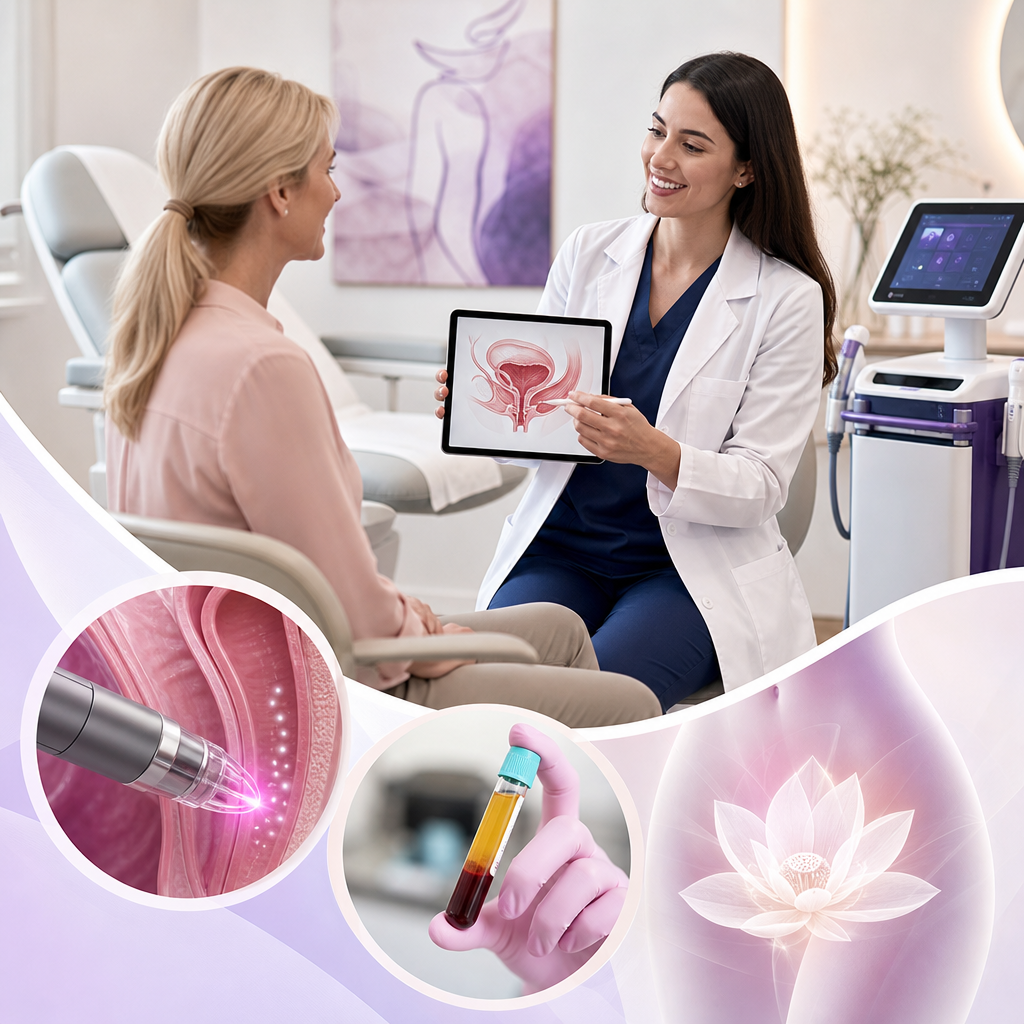
The O-Shot, or Orgasm Shot, harnesses platelet-rich plasma (PRP) to regenerate vaginal and clitoral tissue at the cellular level. We extract a small blood sample, process it to concentrate platelets and growth factors, then inject this potent biological solution directly into areas that govern continence, sensation, and sexual response.
This treatment addresses both the structural and neurological components of incontinence. PRP growth factors stimulate tissue healing, increase blood flow, and revitalize nerve endings that control continence reflex. Unlike synthetic treatments, PRP works with your body’s own regenerative machinery, making it exceptionally safe with minimal risk of adverse reactions.
The O-Shot proves particularly valuable for patients with urgency incontinence or mixed presentations where overactive bladder symptoms predominate. Patients often report improved urgency control, reduced nighttime frequency, and restored capacity within two to four weeks of treatment. Sexual function improvements including increased sensation and improved lubrication typically follow within the same timeframe.
We typically recommend a single initial O-Shot treatment, with repeat procedures at six to twelve month intervals based on individual response. The procedure takes approximately fifteen minutes and carries virtually no downtime or restrictions.
Complementary Benefits: How Votiva and O-Shot Work Together
While both treatments address incontinence through regenerative mechanisms, they operate through different biological pathways and tissue targets, making them powerfully synergistic. Votiva excels at restoring structural support and tissue elasticity throughout the entire vaginal complex. The O-Shot specializes in cellular regeneration, growth factor delivery, and neurological optimization.
We recommend combining these treatments for patients seeking comprehensive results. The typical protocol involves administering the O-Shot first, allowing growth factors to activate healing cascades throughout the treated tissues. Approximately two to four weeks later, patients receive their first Votiva treatment to reinforce structural support and accelerate collagen remodeling.
This sequencing allows the biological environment to be primed for maximum tissue response when RF energy is applied. Patients completing both treatments report superior outcomes compared to either treatment alone. Incontinence improvement is more dramatic, results manifest more rapidly, and sexual wellness improvements are more pronounced.
The psychological benefit of combined treatment deserves mention as well. Patients feel confident knowing they’ve addressed the problem through multiple complementary mechanisms. This comprehensive approach aligns perfectly with modern wellness philosophy where optimization encompasses multiple biological systems simultaneously.
Clinical Protocols for Your Incontinence Treatment Center
Establishing clear, evidence-based protocols ensures consistent results and optimal patient safety. We recommend beginning every incontinence patient with a detailed history addressing symptom onset, severity, impact on daily life, previous treatments, and sexual health concerns. Understanding the complete clinical picture allows you to select the most appropriate treatment pathway.
Physical examination should assess pelvic floor tone, tissue quality, degrees of hypermobility, and presence of any anatomical variants. We also perform urinalysis to exclude infection and assess baseline urinary urgency and frequency patterns. Patient-reported outcome measures like the Incontinence Severity Index provide objective baseline data for measuring treatment response.
For pure stress incontinence with excellent tissue quality, some patients achieve excellent results with Votiva alone. Mixed presentations and urgency-predominant incontinence typically benefit from combined treatment. Sexual health concerns should prompt consideration of the O-Shot even if incontinence is the primary complaint, as these conditions frequently co-occur.
Document everything meticulously. Baseline photographs, symptom severity scores, and patient-reported outcomes become your objective measure of success. Schedule follow-up assessments at four weeks, eight weeks, and three months post-treatment, then at six-month and annual intervals.
Creating a Welcoming Experience for Intimate Wellness Patients
Patients seeking incontinence treatment often arrive feeling vulnerable, embarrassed, and uncertain about what to expect. Your physical environment and staff approach must immediately communicate professionalism, respect, and non-judgment. We design our consultation spaces to feel private, comfortable, and distinctly different from general medical environments.
Staff training proves absolutely critical. Every team member from front desk personnel through medical providers must understand that intimate health care requires exceptional sensitivity. Patients should never feel rushed or made to feel their concerns are minor or unusual. Use professional terminology naturally without medicalized coldness, and always explain procedures clearly in advance.
Consider offering private arrival and departure times for these treatments when possible. Some practices provide private waiting areas distinct from general aesthetic spaces. These accommodations communicate that your practice takes intimate health seriously and respects patient privacy concerns.
Documentation language matters as well. Use precise medical terminology in clinical records while speaking to patients in accessible language. Avoid euphemisms that create confusion, but equally avoid unnecessarily clinical language that distances you from the patient’s lived experience.
Building Patient Trust Through Medical Expertise and Compassion
Trust in intimate health care emerges from the convergence of demonstrated expertise and authentic compassion. Patients must believe you possess the knowledge to deliver results safely and effectively. This means staying current with literature, attending specialized training, and being transparent about what scientific evidence does and doesn’t support.
We share specific outcome data with patients. Rather than vague promises, present realistic expectations: “Our data shows patients typically experience 70 to 80 percent reduction in stress incontinence episodes within three months.” This honesty builds credibility far more effectively than inflated claims.
Equally important is acknowledging that intimate health treatment represents a meaningful healthcare decision. Take time during consultation to understand patient motivations, address concerns thoroughly, and ensure informed consent. Patients should never feel pressure to proceed with treatment.
Many providers find that sharing their own training background and credentials helps patients feel confident. Mentioning continuing education in regenerative medicine, training certifications in specific treatment technologies, and perhaps personal commitment to women’s health conveys genuine expertise and professional dedication.
Marketing Your Women’s Incontinence Clinic Effectively
Marketing intimate wellness services requires sophistication and authenticity. Avoid sensationalized messaging that trivializes the real suffering women experience with incontinence. Instead, focus on education and outcomes. Create content that helps women understand what incontinence actually is, why it occurs, and what modern science can accomplish.
Educational blog posts addressing specific incontinence patterns perform exceptionally well. Video testimonials from satisfied patients (with appropriate privacy protections) build social proof more effectively than any marketing copy. Before-and-after metrics like reduction in daily leakage episodes resonate with prospective patients searching for solutions.
We recommend positioning your practice as a comprehensive women’s health destination rather than focusing narrowly on incontinence. Emphasizing sexual wellness, vaginal health, and intimate rejuvenation appeals to the same patient demographic while reducing stigma through broader context.
Physician referral networks prove invaluable. Gynecologists, urologists, primary care physicians, and physical therapists all encounter patients who would benefit from your services. Educating referring providers about your capabilities and track record generates consistent patient flow.
Measuring Success and Patient Outcomes in Your Practice
Objective outcome measurement separates your practice from competitors and provides data for continuous improvement. Implement standardized assessment tools at baseline and regular intervals post-treatment. The Incontinence Severity Index, Pelvic Floor Symptom Severity and Impact Questionnaire, and Patient Global Impression of Improvement scale all provide validated metrics.
Track specific numerical outcomes: average number of leakage episodes per week, frequency of urinary urgency per day, impact on exercise participation, and intimate relationship satisfaction. These concrete metrics reveal treatment effectiveness more powerfully than subjective impressions.
We recommend collecting data on patient satisfaction, treatment experience quality, and willingness to recommend your practice. This feedback identifies opportunities for improvement in your clinical protocols and patient experience. Practices that systematically collect and act on outcome data consistently outperform those using intuition alone.
Consider publishing your aggregate deidentified outcomes. Case reports and small cohort studies demonstrating your results establish credibility, support marketing efforts, and contribute to the broader medical literature on incontinence treatment.
Getting Started: Implementation and Training for Your Team
Implementing incontinence treatment services requires more than purchasing equipment. Your team needs comprehensive training covering the biological basis of incontinence, treatment mechanisms, proper patient selection, technical proficiency with devices, and compassionate communication strategies for intimate health care.
Manufacturer training programs provide essential technical instruction, but supplementing with additional education in women’s health and pelvic floor physiology strengthens your team’s overall competence. Consider bringing in specialists for staff education before launching these services.
Begin with conservative volume targets. You don’t need to perform dozens of incontinence treatments monthly to generate meaningful revenue and patient satisfaction. Starting with two to three patient consultations weekly allows you to refine protocols, build confidence, and gather outcome data before scaling up.
Éternité Medical Aesthetics & Longevity Centers brings comprehensive expertise in regenerative aesthetics and intimate wellness to both our Manhattan and New Providence locations. Our approach combines cutting-edge technology with physician-guided protocols designed to deliver measurable improvements in continence, tissue health, and overall intimate wellness. We invite you to explore how integrated incontinence treatment services can expand your practice while serving an underserved patient population seeking solutions that actually work.
Contact Us Today For A Free Consultation
Frequently Asked Questions (FAQ)
What makes Votiva and the O-Shot effective for treating urinary incontinence?
We use Votiva’s radiofrequency technology to rejuvenate vaginal and pelvic floor tissues, restoring structural support and elasticity that naturally diminishes over time. The O-Shot complements this approach by using platelet-rich plasma to stimulate tissue regeneration and improve nerve function in the treatment area. Together, these non-surgical solutions address both the physical laxity and cellular health underlying incontinence, offering our patients meaningful improvement without downtime or invasive procedures.
How long does it take to see results from incontinence treatment at Éternité?
Most of our patients notice initial improvement within 2 to 3 weeks, with continued progression over the following months as tissues rebuild and strengthen. We typically recommend a series of treatments spaced 4 to 6 weeks apart to achieve optimal results, though individual timelines vary based on the severity of symptoms and overall tissue quality. We monitor your progress closely throughout your treatment plan and adjust our protocol as needed to ensure you achieve your wellness goals.
Do you offer these treatments at both our Manhattan and New Providence locations?
Yes, we provide comprehensive women’s intimate wellness services, including urinary incontinence treatment, at both our Manhattan medical center and our New Providence, NJ facility. Our team across both locations maintains the same clinical standards and personalized approach, so you can access our care conveniently regardless of which region you’re in.