


Table of Contents
- Why Visible Veins Matter: Understanding Your Vascular Concerns
- The Problem with Traditional Vein Treatment Options
- How IPL Technology Addresses Vascular Issues
- Introducing Vasculaze: Advanced RF Energy for Vein Reduction
- Key Differences Between IPL and Vasculaze Approaches
- What to Expect During Your Treatment at Eternité
- Recovery and Downtime Comparison
- Results Timeline and Longevity
- Why Eternité Offers a Superior Vein Treatment Experience
- Your Next Step: Schedule Your Vascular Assessment
- Frequently Asked Questions (FAQ)
Why Visible Veins Matter: Understanding Your Vascular Concerns
Spider veins, facial telangiectasia, and other vascular lesions affect millions of people, yet many don’t realize how treatable these concerns have become. When small blood vessels become dilated or damaged, they create those fine red, blue, or purple lines that often appear on the face, legs, or other areas of the body. Beyond aesthetics, visible veins can signal underlying vascular changes, inflammation, or cumulative sun exposure that deserve professional attention.
The emotional impact is real. Patients frequently tell us they avoid certain clothing, makeup applications, or social situations because of vascular imperfections. What starts as a minor cosmetic concern often affects confidence and quality of life. The good news is that modern vein treatments have evolved dramatically, offering safe, effective options that require minimal downtime.
Understanding your vascular concerns begins with recognizing that not all visible veins are the same. Some are superficial capillary dilations best suited for one technology, while others are deeper vascular structures requiring a different approach. This distinction is critical when choosing between treatment modalities.
What to do next: Schedule a consultation so our team can evaluate whether your veins are superficial or deeper, which directly determines your best treatment option.
The Problem with Traditional Vein Treatment Options
Conventional approaches to vein removal have significant limitations. Sclerotherapy, the injection of chemical agents directly into veins, works for larger leg veins but often requires multiple sessions, carries risks of staining or nerve damage, and isn’t suitable for facial vasculature. Laser ablation, while effective for some applications, generates heat that can damage surrounding tissue and cause bruising or temporary discoloration.
Many patients discover that older IPL systems or outdated laser platforms simply don’t deliver consistent results for fine facial veins. Some devices generate too much collateral damage, leading to prolonged recovery periods. Others lack the precision to target vascular lesions without affecting healthy skin around them.
This is where the limitations become clear: patients need a solution that addresses vascular concerns without requiring downtime, visible recovery, or multiple treatment cycles. They also need assurance that the technology has been studied extensively and proven safe for their specific vein type.
What to do next: Skip outdated approaches and ask about modern light-based or radiofrequency options that minimize recovery and maximize precision.
How IPL Technology Addresses Vascular Issues
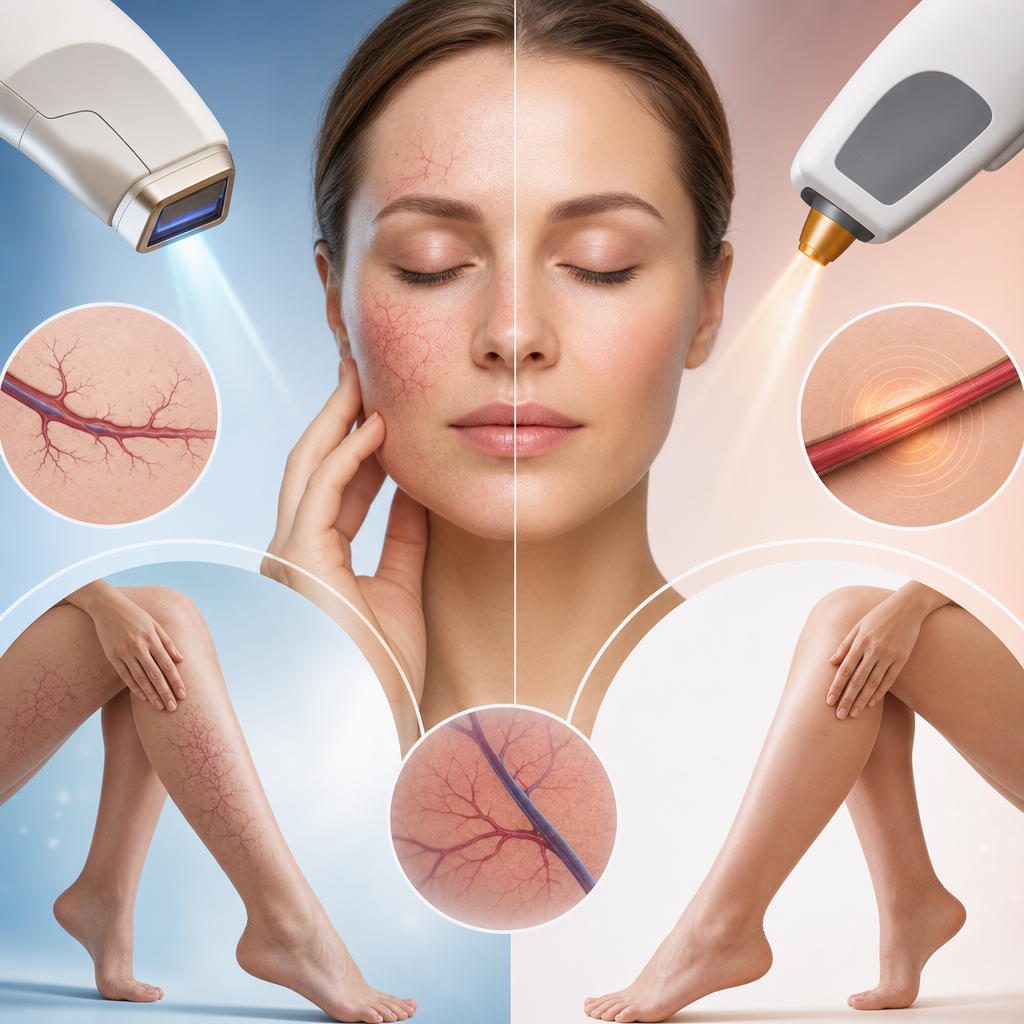
Intense Pulsed Light (IPL) technology uses broad-spectrum light wavelengths to target the hemoglobin within red blood cells. When light energy is absorbed by hemoglobin, it converts to heat, causing vessel walls to collapse and fade over time. The body naturally reabsorbs the damaged vessel, and the cosmetic result is gradual elimination of visible veins.
IPL works particularly well for spider veins and fine facial vascular lesions. The technology has been refined over decades, and modern systems allow practitioners to adjust wavelengths and pulse durations to match specific vein characteristics. This customization minimizes damage to surrounding skin while maximizing vessel-specific targeting.
The procedure feels warm rather than painful, with most patients describing a gentle snapping sensation. Sessions typically last 15 to 30 minutes depending on treatment area size. Because IPL uses light energy rather than mechanical means, there’s no cutting, injection, or ablation involved.
One practical advantage: IPL can treat large surface areas efficiently. If you have diffuse spider veins across the cheeks or a wider section of the legs, IPL covers ground quickly without the injection fatigue of sclerotherapy.
What to do next: Choose IPL if you have fair skin with clear contrast between your veins and surrounding tissue, and if you’re comfortable with 3 to 5 treatment sessions.
Introducing Vasculaze: Advanced RF Energy for Vein Reduction
Vasculaze represents a newer class of vascular treatment technology, utilizing radiofrequency (RF) energy delivered through a specialized handpiece designed specifically for vein reduction. Rather than relying on light absorption, RF energy heats tissue uniformly and precisely, creating a controlled thermal effect on vessel walls.
The mechanism differs meaningfully from IPL. Vasculaze energy penetrates tissue more predictably because RF isn’t dependent on chromophore (pigment) absorption. This makes it potentially more effective for deeper vessels and darker-skinned patients who might see reduced IPL efficacy due to melanin competition for light energy.
Vasculaze treatments feel similar to IPL sessions in terms of comfort level, with patients reporting mild warmth and occasional tingling. The precision of RF energy means practitioners can focus energy directly on the problematic vessel without dispersing energy broadly across surrounding tissue. Sessions run comparably to IPL in duration, typically 20 to 40 minutes.
What makes Vasculaze particularly relevant in our practice is its ability to treat vascular concerns that don’t respond optimally to light-based systems. We’ve observed excellent outcomes in patients with resistant or recurrent spider veins, as well as those seeking treatment in areas previously considered difficult to address safely.
What to do next: Ask about Vasculaze if you have darker skin tone, deeper veins, or have experienced limited results with other treatments.
Key Differences Between IPL and Vasculaze Approaches
IPL and Vasculaze achieve similar cosmetic goals through fundamentally different mechanisms. IPL relies on selective light absorption by hemoglobin and melanin, making it exceptionally effective for fair-skinned patients with clear chromatic contrast between vessels and surrounding skin. Vasculaze RF energy heats tissue uniformly regardless of skin tone, offering more consistent results across diverse skin types.
The depth of penetration differs as well. IPL energy is absorbed relatively quickly in superficial layers, making it ideal for fine facial spider veins and surface-level capillary dilation. Vasculaze RF energy travels deeper into tissue, making it better suited for slightly deeper vascular structures or more substantial veins that IPL alone might not fully resolve.
Treatment frequency represents another distinction. IPL often requires 3 to 5 sessions spaced 4 to 6 weeks apart for optimal results. Vasculaze frequently achieves significant improvement in 1 to 3 sessions, potentially reducing overall treatment time.
Downtime also varies. Both technologies generate minimal downtime compared to invasive procedures, but Vasculaze typically produces less immediate redness. IPL may leave the treated area slightly pink or flushed for a few hours to a day, while Vasculaze often requires even less post-treatment care.
Cost considerations matter too. IPL systems are more established and widely available, often priced accessibly. Vasculaze, as a more specialized technology, typically reflects premium positioning. However, when fewer sessions achieve your goals, the total investment may balance out favorably.
What to do next: Compare both the total session count and total cost when deciding between technologies, since fewer Vasculaze sessions might equal lower overall expense.
What to Expect During Your Treatment at Eternité
When you arrive for your vascular assessment at Eternité Medical Aesthetics & Longevity Centers, our clinical team conducts a thorough evaluation of your veins, skin tone, and medical history. We’ll examine vessel depth, size, color, and distribution to determine whether IPL, Vasculaze, or a combination approach best serves your goals.
We apply a topical anesthetic to ensure comfort during your session. The treatment area is cleansed and prepped, and our provider will use the selected handpiece in controlled passes over the affected region. You’ll feel warmth and possibly light snapping sensations, but discomfort remains minimal. Most patients tolerate the procedure well without requiring numbing injections.
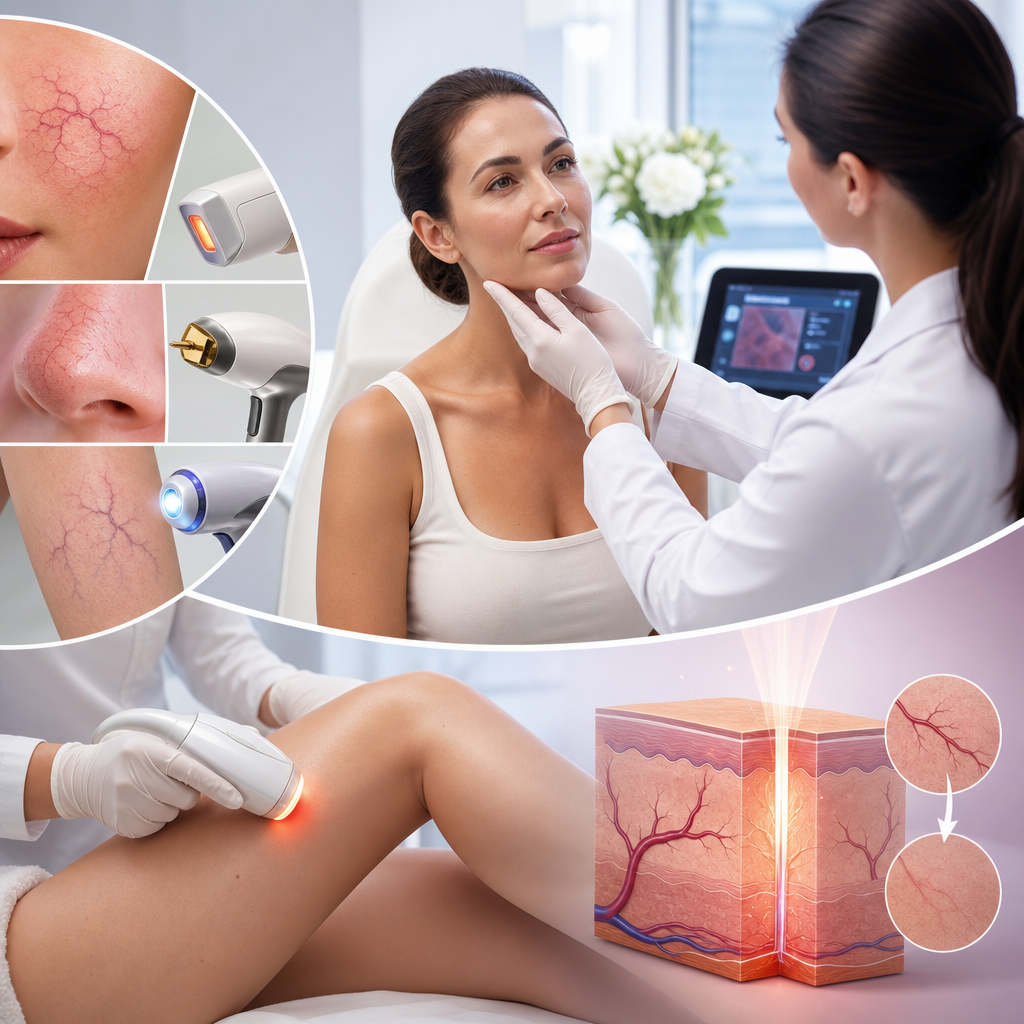
Throughout the session, we monitor your response and adjust energy settings as needed. Our providers have extensive training in vascular anatomy and laser-RF safety, ensuring precision that respects your skin’s health while effectively addressing your veins. The environment at our Manhattan and New Providence locations is designed to be calming and professional, supporting your comfort throughout the process.
After treatment, we apply soothing topical agents and provide detailed aftercare instructions. We’ll discuss expected timelines, any precautions regarding sun exposure, and when to schedule follow-up sessions if needed.
What to do next: Bring a list of any medications or supplements you’re taking, as some can affect your skin’s response to treatment.
Recovery and Downtime Comparison
Both IPL and Vasculaze offer exceptional benefits when it comes to recovery. Unlike surgical vein stripping or sclerotherapy with significant bruising, these modern technologies allow you to return to normal activities immediately.
With IPL, expect mild redness in the treated area lasting a few hours to overnight. Some patients see slight swelling or a faint pink flush that resolves quickly. Rarely, minor bruising may appear if a vessel was particularly reactive, but this fades within days. You can apply makeup and proceed with your day immediately after treatment.
Vasculaze recovery is comparably smooth, often with even less visible redness. Most patients experience virtually no recovery period beyond the appointment itself. You can exercise, shower, and engage in normal routines right away, with the simple precaution of avoiding intense sun exposure for a few days.
Both technologies require avoiding direct sun exposure, hot baths, strenuous exercise, and alcohol for 24 to 48 hours post-treatment. These precautions minimize inflammation and optimize healing. Sunscreen becomes essential during the recovery window and for several weeks afterward, as treated vessels are temporarily more sun-sensitive.
The ability to proceed with your schedule is precisely why vascular patients choose light-based and RF approaches over traditional medical interventions. You’re not rearranging your calendar or explaining visible recovery to colleagues.
What to do next: Schedule your treatment before a weekend if you prefer having a day or two at home, though work and social plans rarely need to change.
Results Timeline and Longevity
Results don’t appear overnight with either technology. The treated vessels don’t vanish immediately; instead, they gradually fade as your body’s natural processes clear away damaged vessel walls and reabsorb cellular debris.
With IPL, you’ll notice initial fading within the first week, with progressive improvement over 4 to 8 weeks. By the end of a full treatment series (typically 3 to 5 sessions), most patients observe 70 to 90 percent improvement in spider vein appearance. Some particularly responsive cases see near-complete resolution.
Vasculaze results often appear more rapidly. Many patients report significant fading within 2 to 3 weeks of a single session. Because fewer sessions are typically required, you may achieve your desired outcome in 6 to 12 weeks total, compared to the 12 to 20 weeks often needed for a complete IPL series.
Longevity is excellent with both approaches. Once vessels have been successfully treated, they don’t typically recur in the exact same location. However, because vascular lesions are often related to sun exposure, genetics, and aging, new veins may develop over time in untreated areas. Many patients benefit from occasional maintenance sessions every 1 to 2 years to address new concerns and maintain their results.
What to do next: Plan for maintenance treatments annually or as new veins appear, particularly if you spend time in the sun.
Why Eternité Offers a Superior Vein Treatment Experience
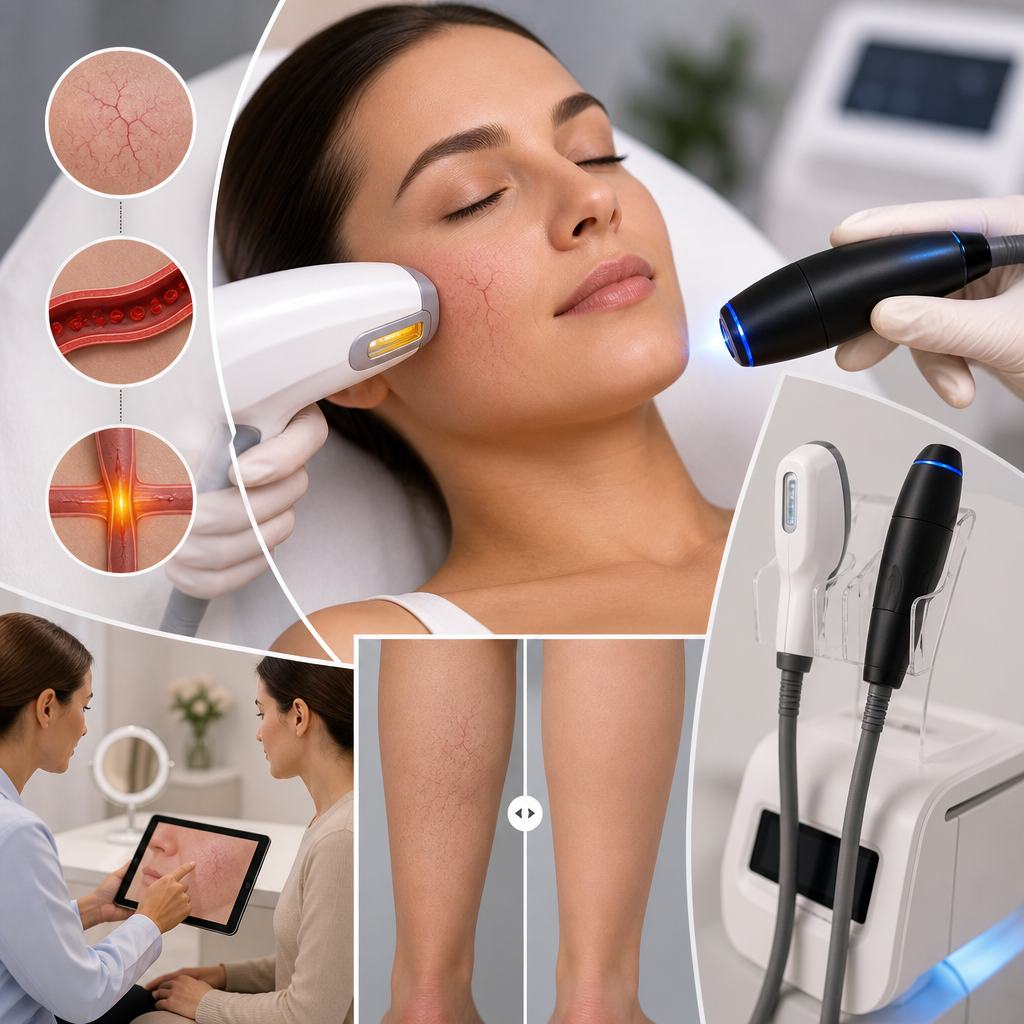
At Eternité Medical Aesthetics & Longevity Centers, we’ve invested in both IPL and Vasculaze technologies because we recognize that superior outcomes require matching technology to individual patient needs. Our approach is personalized rather than one-size-fits-all.
Our clinical team brings extensive training in vascular anatomy, aesthetic medicine, and advanced technologies. We understand not just how to operate these systems, but why specific adjustments matter for different vein types and skin characteristics. This expertise translates directly to better results and fewer complications.
We also integrate vascular treatment into your broader aesthetic and longevity goals. If you’re seeking facial vein reduction, our team might recommend complementary treatments like PRX Professional Skin Rejuvenation or Infini RF treatment to address texture, tone, and collagen production alongside vascular concerns. This integrated perspective elevates your overall results.
Our facilities in Manhattan and New Providence provide convenient access for patients across the greater New York and New Jersey areas. We maintain rigorous safety protocols, use only FDA-cleared or CE-marked devices, and stay current with the latest research and technique refinements in vascular aesthetics.
What to do next: Ask about combination treatments that address not just veins but also surrounding skin quality and firmness.
Your Next Step: Schedule Your Vascular Assessment
The first step is professional evaluation. During a consultation, our specialists will assess your specific vascular concerns, discuss your aesthetic goals, and recommend the most effective treatment approach for your situation. Whether IPL, Vasculaze, or a sequential combination serves you best becomes clear after this thorough assessment.
Request an appointment with Eternité Medical Aesthetics & Longevity Centers today. You can also contact us with any questions about our vascular treatment options, pricing, or availability at our Manhattan or New Providence locations.
Visible veins are eminently treatable with today’s advanced technologies. You don’t need to accept them as permanent fixtures. Our team is ready to help you achieve the clear, radiant skin you deserve.
Contact Us Today For A Free Consultation
Frequently Asked Questions (FAQ)
What’s the main difference between IPL and Vasculaze for treating visible veins?
We use IPL technology to target vascular lesions through intense pulsed light that heats hemoglobin in the blood vessels, while our Vasculaze system delivers radiofrequency energy to collapse vein walls from within. Both approaches are non-invasive, but Vasculaze tends to be more effective for deeper or stubborn vessels that don’t respond as well to light-based treatments. During your consultation at Éternité, we’ll assess your specific vein patterns to recommend which technology will deliver your best results.
How much downtime should I expect after vein treatment at your centers?
Our IPL treatments typically require minimal downtime, with most clients resuming normal activities immediately, though we recommend avoiding direct sun exposure for a few days. Vasculaze procedures may involve slight redness or mild bruising that usually resolves within 24 to 48 hours. We always provide detailed post-care instructions to ensure your comfort and optimal healing at both our Manhattan and New Providence locations.
How long do results last after treatment with either technology?
We’ve found that results from both IPL and Vasculaze are often long-lasting, with many of our clients enjoying improvements for months to years depending on their vein biology and lifestyle factors. Some clients may need periodic maintenance sessions if new vessels develop over time. We’ll establish a personalized follow-up schedule during your treatment plan to maintain your results.