


Table of Contents
- Why Standard Melasma Treatments Fall Short
- Understanding Melasma: Root Causes and Challenges
- Our Multi-Modality Approach to Melasma Clearance
- Advanced Laser Technologies We Deploy
- Chemical Peels and Resurfacing Protocols
- Combining Injectables and Regenerative Therapies
- Personalized Treatment Planning at Our Centers
- What to Expect During Your Treatment Journey
- Results and Long-Term Skin Health
- Maintenance Protocols for Lasting Clarity
- Why Choose Éternité for Melasma Treatment
- Frequently Asked Questions (FAQ)
Why Standard Melasma Treatments Fall Short
Melasma affects millions of people, particularly those with darker skin tones and those living in sun-rich climates. Yet many patients who seek treatment discover that single-modality approaches deliver disappointing results. The condition’s complexity demands precision, expertise, and a layered therapeutic strategy. At Éternité Medical Aesthetics & Longevity Centers, we’ve developed a comprehensive multi-modality protocol that addresses melasma at multiple biological levels, delivering the clear, even-toned skin our patients deserve.
Single-treatment approaches to melasma often fail because they target only one aspect of a multi-layered problem. A laser alone cannot address the deep melanin deposits and epidermal overstimulation that characterize severe melasma. Similarly, a chemical peel without post-treatment pigment management may trigger rebound hyperpigmentation, leaving patients worse off than before.
We’ve observed that conventional practices frequently underestimate melasma’s stubbornness. The condition involves melanocyte overactivity triggered by UV exposure, hormonal shifts, inflammation, and genetic predisposition. Addressing one factor while ignoring others guarantees incomplete results. Patients end up cycling through treatments, spending months and thousands of dollars on protocols that plateau early.
Our evidence-based approach recognizes that durable melasma clearance requires simultaneous intervention across multiple treatment modalities, combined with rigorous sun protection and skin-barrier optimization.
Understanding Melasma: Root Causes and Challenges
Melasma presents as symmetric patches of hyperpigmentation, most commonly on the cheeks, bridge of nose, forehead, and upper lip. The condition stems from increased melanin production and abnormal melanin distribution within both the epidermis and dermis.
Key drivers include:
- UV radiation: Even brief sun exposure without adequate protection can reactivate dormant melanin deposits and trigger new melasma formation.
- Hormonal factors: Estrogen and progesterone fluctuations from oral contraceptives or hormone replacement therapy frequently accelerate melasma progression.
- Genetic predisposition: Individuals with Fitzpatrick skin types III-VI face significantly higher risk.
- Inflammation: Persistent skin irritation and inflammatory cytokines perpetuate melanocyte stimulation.
- Heat and infrared exposure: Thermal stress alone can worsen existing melasma.
The challenge lies in melasma’s recalcitrant nature. Superficial treatments rarely penetrate dermal deposits where deep pigment accumulates. Without addressing underlying inflammation and hormone-skin interactions, recurrence rates remain high even after apparent clearance. Our medical team evaluates each patient’s melasma depth, distribution pattern, and contributing factors before recommending treatment.
Our Multi-Modality Approach to Melasma Clearance
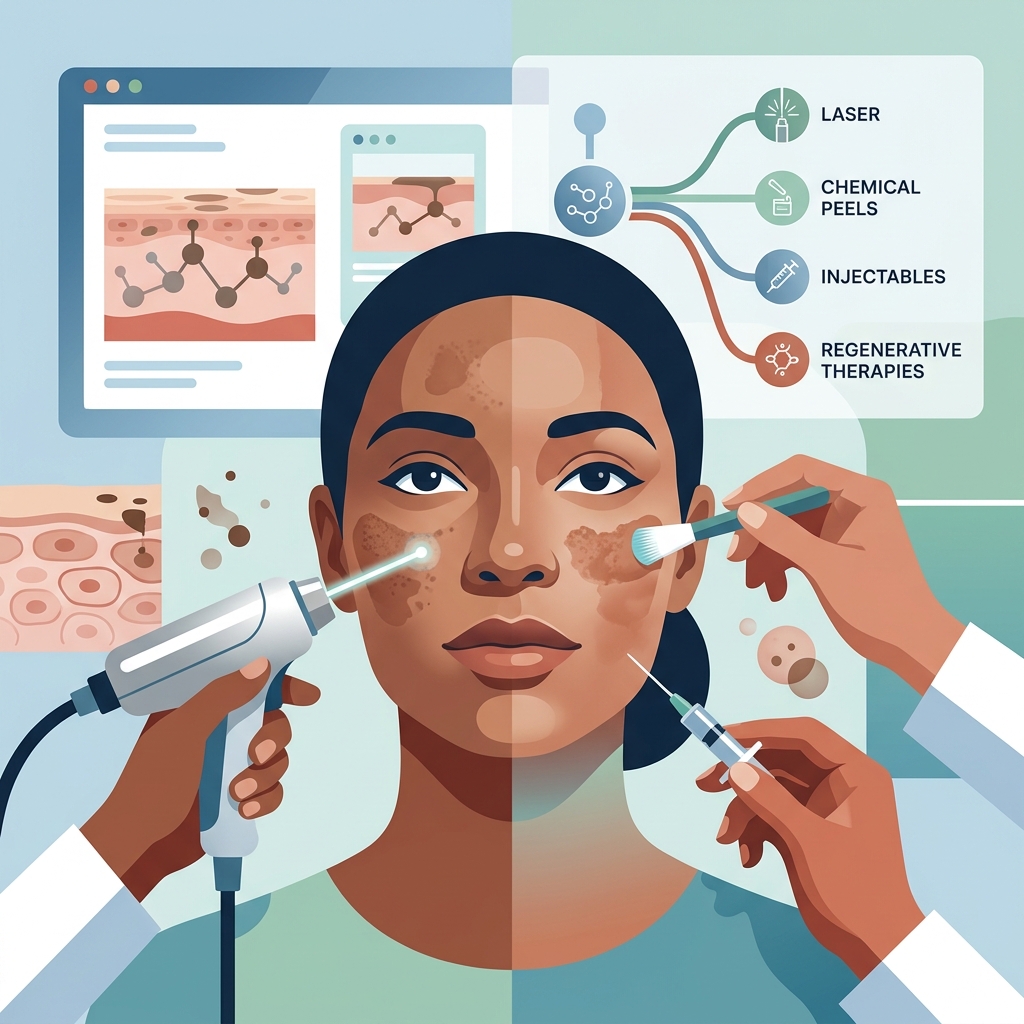
We deploy a coordinated strategy that combines laser resurfacing, chemical peels, targeted injectables, and regenerative therapies. This integration ensures we address epidermal pigment, dermal melanin deposits, melanocyte signaling, and skin barrier repair simultaneously.
Our typical protocol involves:
- Laser and light-based modalities to disrupt melanin clusters and stimulate collagen remodeling
- Chemical peels and resurfacing to exfoliate pigmented keratinocytes and promote healthy skin turnover
- Injectables and growth factors to reduce inflammatory signals that drive melanocyte activity
- Regenerative therapies including PRP and exosomes to repair skin barrier function and restore balanced melanin production
This sequenced approach ensures each treatment builds on the previous one, with sufficient spacing to allow skin recovery and assessment of progress. We typically space treatments 4-6 weeks apart, allowing full cellular turnover and healing before advancing to the next phase.
Advanced Laser Technologies We Deploy
Melasma laser treatment remains a cornerstone of our protocol. We utilize fractional laser systems and intense pulsed light (IPL) devices that selectively target melanin without causing collateral thermal damage to surrounding dermis.
Fractional laser technology creates microscopic zones of controlled ablation, stimulating wound-healing responses that accelerate melanin clearance while minimizing downtime compared to full-surface resurfacing. The fractional pattern allows melanin-rich areas to heal faster, preventing post-inflammatory hyperpigmentation.
IPL systems work through selective photothermolysis, where specific wavelengths preferentially absorb melanin. Modern IPL devices include dynamic cooling to protect the epidermis while energy penetrates to dermal melanin deposits. Multiple passes at graduated energy levels prevent overstimulation and reduce rebound pigmentation risk.
We also employ picosecond and nanosecond laser wavelengths that mechanically fragment melanin particles into smaller molecules your body can eliminate more efficiently. This mechanical approach differs fundamentally from thermal ablation, reducing inflammation and post-treatment complications.
Treatment selection depends on melasma depth, skin type, and tolerance for recovery. Our medical team performs detailed skin analysis and may use wood’s lamp examination to assess both surface and subsurface pigmentation before selecting laser parameters.
Chemical Peels and Resurfacing Protocols
Chemical peels complement laser work by accelerating epidermis exfoliation and promoting controlled inflammation that drives melanin clearance. We deploy tiered peel protocols matched to individual skin tolerance and melasma severity.
The VI Peel represents a mid-strength option combining salicylic acid, tretinoin, and hydroquinone in a controlled formula. This peel penetrates through the epidermis into the superficial dermis, addressing both surface pigmentation and stimulating fibroblast activity for collagen renewal.
For deeper melasma, we utilize custom phenol and TCA-based protocols that produce more pronounced exfoliation and dermal remodeling. These require careful patient selection and rigorous post-peel care but deliver superior results for entrenched pigmentation.
Low-strength glycolic and lactic acid peels serve maintenance purposes between intensive treatments, gently promoting turnover while conditioning the skin for stronger interventions. We often recommend weekly or bi-weekly light peels for patients in the maintenance phase.
The key to peel success lies in proper pre-treatment conditioning and post-peel sun protection. We prepare skin for 2-3 weeks with gentle hydration and barrier support before chemical peels, reducing adverse events and optimizing melanin clearance response.
Combining Injectables and Regenerative Therapies
While not traditionally associated with melasma treatment, carefully selected injectables and regenerative modalities reduce the inflammatory cascade perpetuating melanocyte overstimulation. Anti-inflammatory signaling through targeted peptides and growth factors promotes balanced skin physiology.
Jeuveau treatment and similar neurotoxins prevent repetitive muscle contractions that generate inflammatory stress in facial skin. Reduced muscular tension decreases local cytokine production, creating a less permissive environment for continued melanocyte activation.
PRP and exosome therapies stimulate regulatory T-cells and increase anti-inflammatory cytokine expression. These regenerative modalities also strengthen the skin barrier and promote melanocyte differentiation toward normal pigmentation patterns rather than pathologic overproduction.
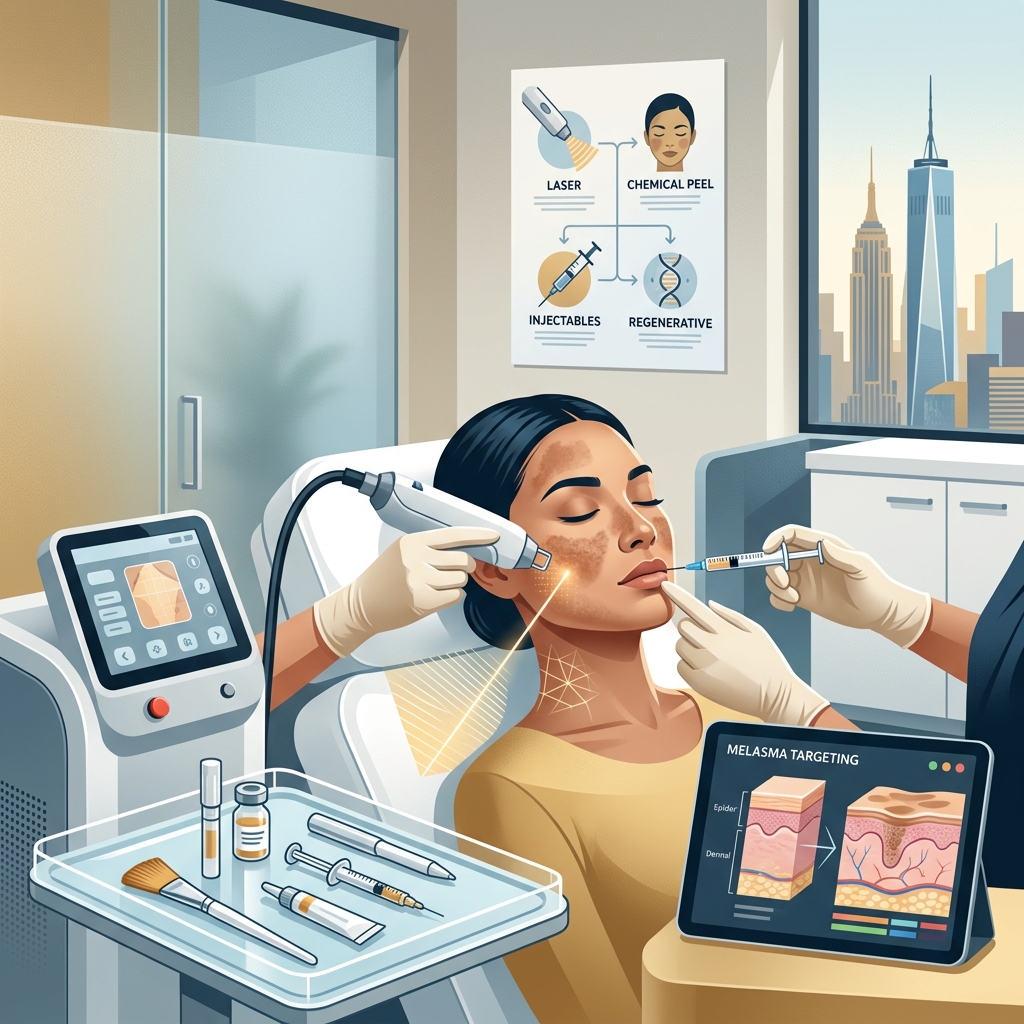
We integrate these therapies approximately 2-3 weeks after laser or chemical peel treatments, once acute inflammation has resolved. This timing allows the skin to benefit from growth factor stimulation while healing from resurfacing procedures, optimizing collagen deposition and barrier recovery.
Personalized Treatment Planning at Our Centers
Every patient’s melasma presents differently, requiring individualized assessment and protocol adjustment. Our providers conduct comprehensive evaluations examining melasma distribution, depth, associated skin concerns, and personal factors including sun exposure habits, hormonal status, and treatment history.
During your consultation at Éternité Medical Aesthetics & Longevity Centers, we perform detailed photography under standardized lighting and may use reflectance confocal microscopy or wood’s lamp examination to visualize subsurface pigmentation. This diagnostic precision allows us to predict treatment response and adjust protocols accordingly.
We discuss realistic timelines. Most patients require 6-12 treatments spread across 4-6 months for significant clearance. Complete resolution may take longer in cases with substantial dermal involvement. We also address modifiable risk factors including hormonal contraceptive timing, sun exposure, and skincare practices that either accelerate or impede healing.
Your treatment plan includes detailed aftercare instructions, recommended products for barrier repair, and a specific sun protection protocol using broad-spectrum SPF 50+ daily, even during recovery phases. Compliance with these elements fundamentally determines your outcome.
What to Expect During Your Treatment Journey
Your first week involves post-treatment inflammation and exfoliation. Redness peaks 24-48 hours after laser treatments and may persist 3-5 days. Chemical peels produce visible peeling 3-4 days post-treatment, with flaking continuing 7-10 days. We provide medical-grade post-treatment serums and moisturizers to support barrier healing and minimize discomfort.
Avoid sun exposure, intense exercise, and heat exposure for at least one week. Resist the urge to pick or manually exfoliate treated skin. Instead, allow natural shedding to proceed uninterrupted. Many patients notice pigmentation appears darker during the first 2-3 weeks before gradually fading as melanin-laden keratinocytes shed.
Between treatments, maintain consistent skincare with gentle cleansing, hydrating toners, medical-grade serums containing niacinamide or peptides, and rigorous sun protection. We may recommend adjunctive HydraFacial treatment for gentle hydration and exfoliation during recovery phases, accelerating healing and maintaining treatment momentum.
By week 4-6, you’ll notice significant pigmentation improvement and clearer skin texture. This is the optimal window to assess progress before proceeding with your next scheduled treatment.
Results and Long-Term Skin Health
Progressive treatment over 4-6 months yields transformative results. Most patients achieve 60-80% melasma clearance with our multi-modality approach, compared to 30-40% with single-modality alternatives. Skin texture improves simultaneously, with finer pores, enhanced radiance, and reduced fine lines.
The quality of results reflects our layered approach. Laser treatments eliminate pigment while stimulating collagen. Chemical peels promote healthy cell turnover. Injectables reduce inflammation. Regenerative therapies restore barrier function. Together, these modalities create conditions for sustained improvement rather than temporary cosmetic change.
Melasma recurrence occurs in approximately 40-50% of patients within 3-5 years if maintenance protocols are abandoned. However, with diligent sun protection and regular maintenance treatments, clearance remains stable long-term. Many of our patients enjoy clear skin for 5+ years following their initial treatment series.
Maintenance Protocols for Lasting Clarity
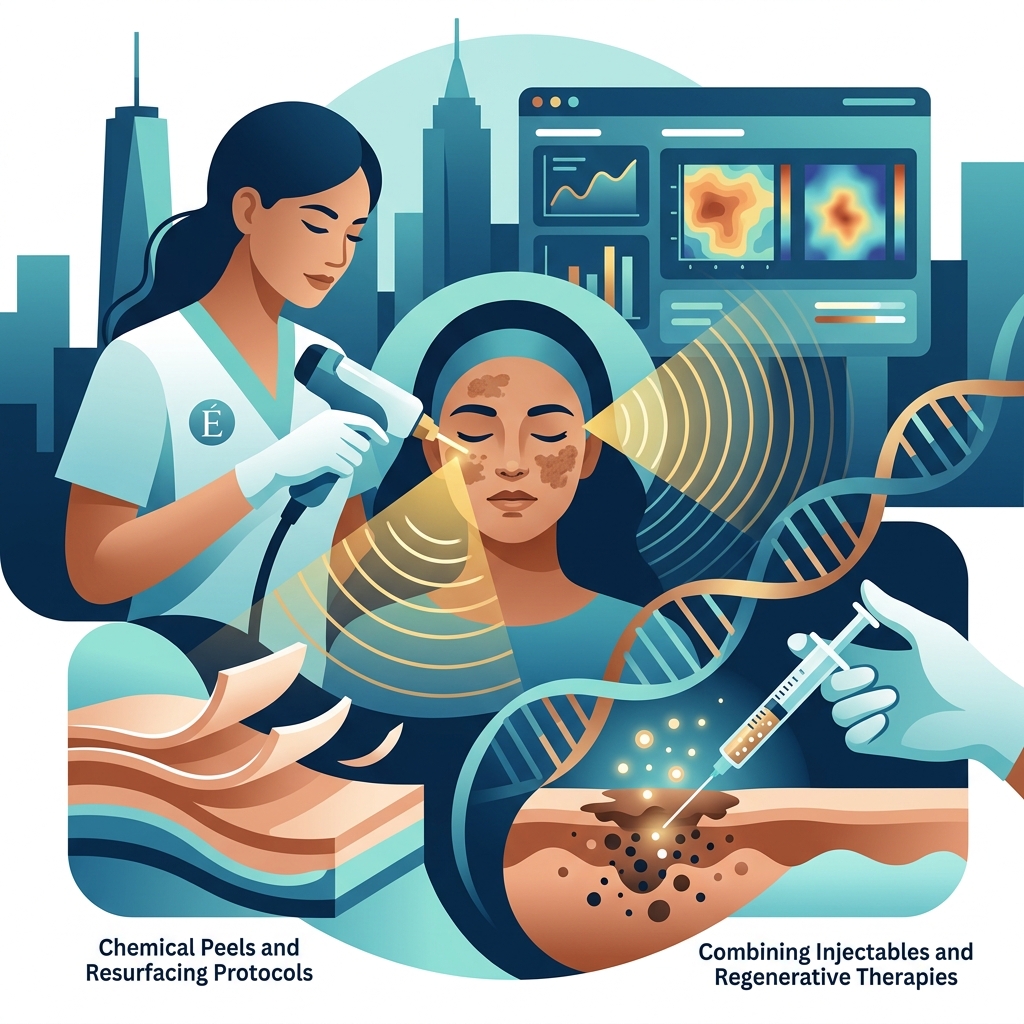
Permanent melasma cure doesn’t exist without addressing underlying triggers. However, aggressive maintenance protocols keep recurrence minimal and easily manageable. We recommend quarterly or bi-annual laser touch-ups or light chemical peels for patients with significant melasma history.
Daily sun protection using SPF 50+ broad-spectrum sunscreen applied every 2 hours outdoors is non-negotiable. We recommend mineral formulations with zinc oxide or titanium dioxide, which reflect UV radiation rather than merely absorbing it. Reapplication after swimming or perspiration is essential.
Hormonal considerations require attention. If hormonal contraceptives or HRT contributed to melasma development, discuss alternatives with your prescribing physician. Some patients benefit from switching formulations or timing adjustments that reduce estrogen-driven melanocyte stimulation.
Lifestyle measures including antioxidant-rich dietary patterns, stress reduction, and adequate sleep support skin barrier health and reduce systemic inflammation. These foundational interventions amplify the benefits of professional treatments.
Why Choose Éternité for Melasma Treatment
Éternité Medical Aesthetics & Longevity Centers stands apart through our comprehensive expertise in medical aesthetics, anti-aging science, and regenerative medicine. Our providers maintain advanced training in laser physics, chemical peel formulations, and the immunological basis of pigmentation disorders. We don’t approach melasma as a simple cosmetic concern but rather as a multifactorial physiological condition requiring integrated expertise.
We serve Manhattan, Bronx, Westchester, Queens, Brooklyn, and Staten Island from our Manhattan location, as well as Union County, Summit, and surrounding areas from our New Providence, NJ center. This accessibility allows ongoing relationships and consistent protocol implementation.
Our technology suite includes cutting-edge fractional lasers, IPL systems, and regenerative therapy modalities. Yet technology alone achieves nothing without expert application and individualized treatment planning. Our team’s medically authoritative approach, combined with our calm and reassuring demeanor, ensures you feel informed and confident throughout your treatment journey.
Ready to address your melasma with a science-backed protocol? Contact Éternité Medical Aesthetics & Longevity Centers today to schedule your comprehensive consultation. We’ll evaluate your skin, explain your personalized multi-modality plan, and guide you toward the clear, luminous complexion you deserve.
Contact Us Today For A Free Consultation
Frequently Asked Questions (FAQ)
Why does melasma keep returning even after treatment?
We find that melasma recurs when treatment addresses only the surface pigmentation without managing the underlying triggers like UV exposure, hormonal factors, and skin barrier integrity. Our multi-modality approach tackles both the visible discoloration and the biological mechanisms driving it, which significantly reduces recurrence rates. We also provide our clients with personalized maintenance protocols and sun protection strategies to sustain their results long-term.
How long does it take to see results from your melasma treatment plan?
We typically see noticeable improvement within 4-6 weeks of beginning our combination therapy, though optimal results emerge over 12-16 weeks as the skin undergoes complete cellular renewal cycles. Individual timelines vary depending on melasma severity, skin type, and how well clients follow our post-treatment care guidelines. We monitor your progress at each visit and adjust our protocols to ensure you’re tracking toward your desired outcome.
What makes your approach different from standard melasma treatments?
We combine advanced laser technologies, clinical-grade chemical peels, regenerative therapies like PRP and exosomes, and targeted injectables rather than relying on any single modality. This integration allows us to address melasma at multiple biological levels simultaneously, producing more comprehensive and durable results than conventional single-treatment approaches. Our medical team customizes your protocol based on your specific melasma presentation and skin physiology rather than applying a standardized treatment to everyone.