


Table of Contents
- Why Vascular Considerations Matter in Hair Removal
- Understanding How Lasers Interact With Blood Vessels
- The Risk of Complications When Vascular Health Is Overlooked
- Our Comprehensive Vascular Assessment Protocol
- How We Coordinate Laser Settings for Vascular Safety
- Advanced Cooling and Protection Technologies We Deploy
- Customized Treatment Plans for Vascular Skin Types
- What to Expect During Your First Consultation
- Post-Treatment Care to Support Vascular Health
- Results You Can Trust: Our Track Record
- Schedule Your Safe, Effective Laser Hair Removal Today
- Frequently Asked Questions (FAQ)
Why Vascular Considerations Matter in Hair Removal
Laser hair removal has become one of the most reliable aesthetic treatments available, yet its safety depends on understanding the delicate interplay between laser energy and the vascular system. Your blood vessels aren’t just present in treated skin—they’re actively involved in how your skin responds to heat, inflammation, and healing. When we overlook vascular health during laser hair removal, we risk unnecessary complications ranging from prolonged redness to more serious adverse events.
At Éternité Medical Aesthetics & Longevity Centers, we recognize that vascular assessment isn’t optional. It’s foundational to every treatment plan we create. Whether you have visible veins, a history of vascular conditions, or simply sensitive, reactive skin, your vascular profile shapes how we customize your care. This coordinated approach ensures you achieve smooth, hair-free skin without compromising the integrity of your microvasculature.
Your actionable step: Before booking any laser hair removal, schedule a consultation where vascular history is thoroughly evaluated, not glossed over.
Understanding How Lasers Interact With Blood Vessels
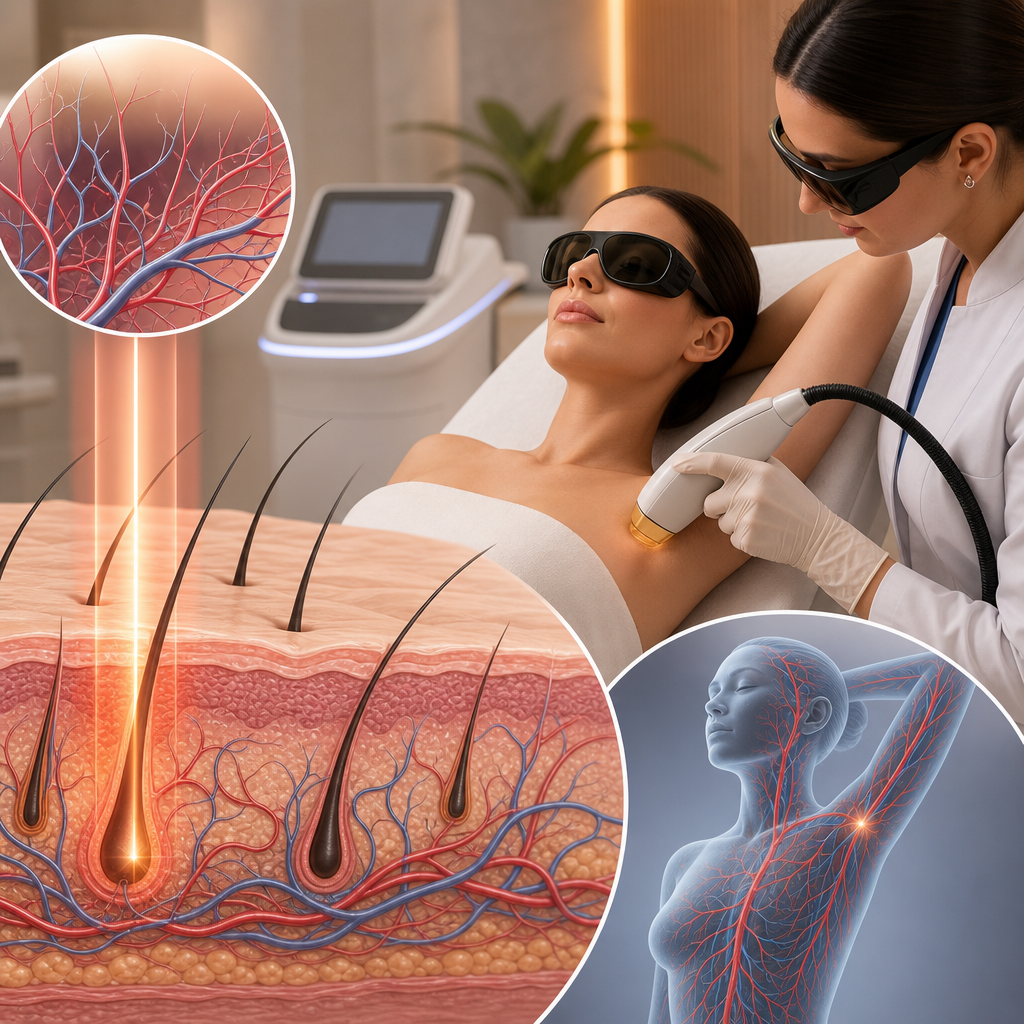
Laser light doesn’t distinguish between melanin in hair follicles and melanin or oxyhemoglobin in blood vessels. When laser energy enters the skin, it generates heat through selective photothermolysis—a process that targets melanin but inevitably warms surrounding tissues, including capillaries and venules. This thermal energy can cause temporary vasodilation (widening of blood vessels) and increased blood flow, which is a normal part of the skin’s inflammatory response to treatment.
The challenge emerges when this vascular response becomes excessive. If blood vessels are fragile, compromised, or already inflamed, that natural heat response can lead to purpura (small bruises), telangiectasia (permanent spider veins), or delayed healing. Additionally, patients taking blood thinners, those with rosacea or venous insufficiency, and individuals with certain genetic conditions affecting vessel integrity face elevated risk if vascular factors aren’t carefully managed.
We evaluate not just whether you have vascular concerns, but how pronounced they are and where they’re located relative to treatment zones.
The Risk of Complications When Vascular Health Is Overlooked
Overlooking vascular health during laser hair removal can result in several preventable complications. Excessive purpura and bruising extend recovery time and create cosmetic concerns, particularly in visible areas like the face and neck. In some cases, patients develop persistent erythema (redness) lasting weeks rather than days because the underlying vascular irritation wasn’t anticipated or managed.
More serious outcomes include the emergence of new telangiectasia or the worsening of existing vascular lesions. Some patients experience hypertrophic scarring or abnormal wound healing when vascular insufficiency compromises nutrient and oxygen delivery to treated areas. Additionally, those with unmanaged venous disease or severe capillary fragility face risk of thrombus formation (blood clots) in rare, extreme cases.
These complications are rarely inevitable—they’re preventable through proper vascular assessment and protocol adjustment. When they do occur, they reflect a gap in coordinated care rather than the inherent risk of the technology itself.
Our Comprehensive Vascular Assessment Protocol
Our vascular assessment begins well before the laser handpiece is activated. During your initial consultation at Éternité Medical Aesthetics & Longevity Centers, we conduct a detailed intake that includes:
Medical history review: We ask about family history of vascular disease, personal history of blood clots, current medications (especially anticoagulants and antiplatelet agents), and any conditions affecting blood vessel health such as rosacea, lupus, or connective tissue disorders.
Visual and tactile evaluation: Our trained providers examine the treatment area and surrounding skin under standardized lighting. We assess for visible telangiectasia, assess skin blanching response, and note areas of unusual redness or vascular prominence.
Functional vascular assessment: We evaluate your skin’s response to minor pressure and heat using simple provocation tests. We also discuss your typical healing timeline and any previous adverse reactions to other treatments.
Systemic assessment: We consider your overall longevity and wellness profile, including cardiovascular health markers, inflammation levels, and nutritional status—all factors influencing vascular resilience.
This protocol takes time because accuracy here prevents problems downstream.
How We Coordinate Laser Settings for Vascular Safety
Once we understand your vascular profile, we translate that into specific laser parameters that maximize hair removal efficacy while protecting your microvasculature. This coordination involves several adjustments:
Fluence (energy density) modulation: Rather than applying a standard energy level to all patients, we start conservatively and adjust upward based on your vascular response during the treatment. For vascularly sensitive individuals, we may use slightly lower fluence with more frequent passes to accumulate damage to hair follicles while spreading thermal load over time.
Pulse duration optimization: Longer pulse durations allow heat to diffuse away from vessels and into deeper follicles, reducing vascular injury at the skin surface. For patients with prominent surface vasculature, we select pulse durations that minimize superficial heat concentration.
Frequency adjustment: We space treatment sessions appropriately to allow your vascular system to fully recover between visits. Some patients benefit from extended intervals between sessions, allowing inflammation to completely resolve before the next thermal insult.
Wavelength selection: We choose laser wavelengths based on your skin type and vascular prominence. Longer wavelengths penetrate deeper with less superficial absorption, reducing vascular heating in some cases.
Each adjustment is documented and refined based on your response, creating a personalized roadmap for your treatment series.
Advanced Cooling and Protection Technologies We Deploy
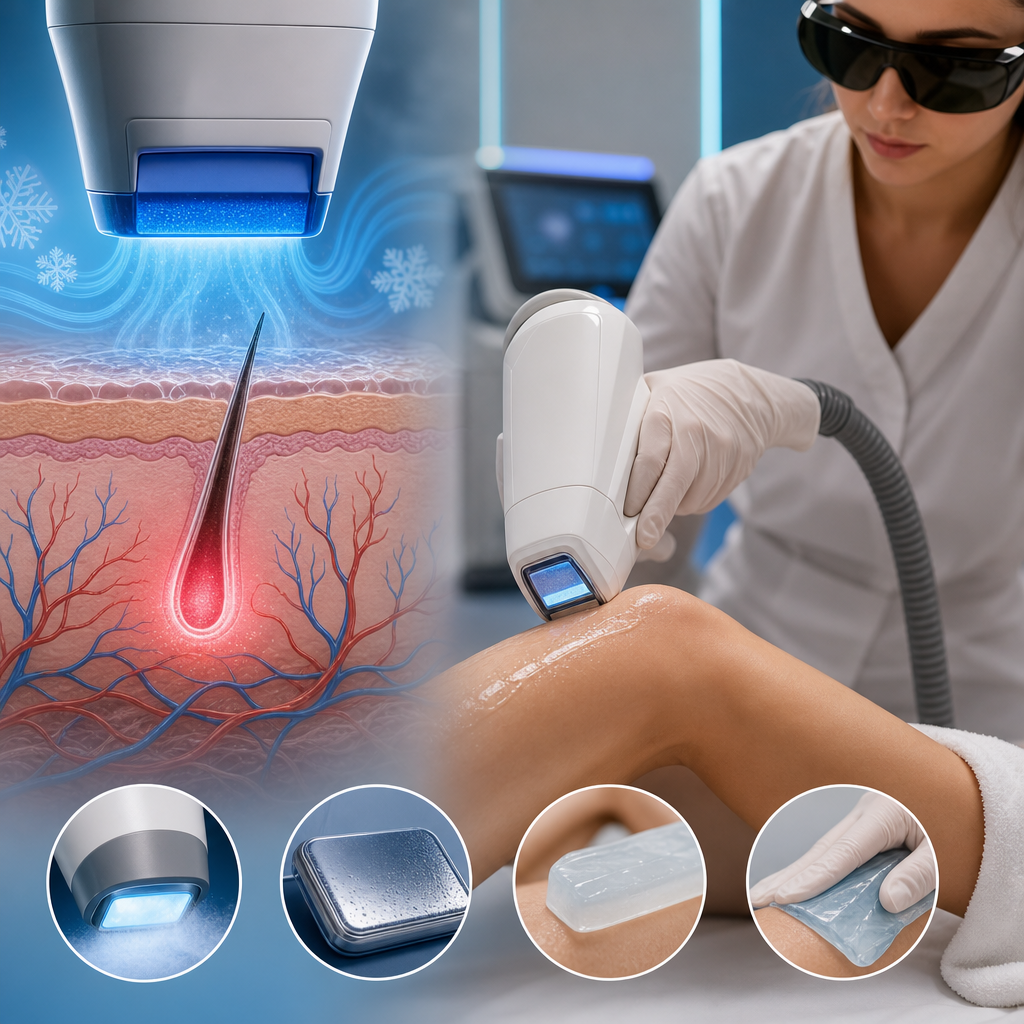
Cooling technology is essential to vascular safety during laser hair removal. At Éternité Medical Aesthetics & Longevity Centers, we use multiple layered cooling approaches:
Integrated handpiece cooling: Modern laser systems incorporate contact cooling directly into the handpiece, maintaining skin surface temperature while subsurface energy targets hair follicles. This differential cooling protects superficial vessels while allowing follicular damage to occur.
Cryogenic air cooling: Between laser pulses, we apply brief bursts of cold air to dissipate residual heat and prevent cumulative thermal buildup in treated zones.
Topical cooling agents: Before and after treatment, we apply medical-grade cooling compounds that further reduce inflammation and vascular irritation.
Strategic treatment sequencing: We treat areas in a planned sequence that allows cooling time between zones. Rather than rapidly treating the entire leg, for example, we treat sections methodically, allowing each area to cool before moving forward.
These technologies aren’t luxuries—they’re essential infrastructure for anyone with vascular considerations.
Customized Treatment Plans for Vascular Skin Types
Your vascular classification shapes your entire treatment roadmap. We typically categorize patients into four vascular risk tiers:
Low-risk vascular profile: Minimal visible telangiectasia, no vascular history, normal healing response. These patients tolerate standard laser protocols well and typically see completion in 6-8 sessions.
Moderate-risk profile: Some visible telangiectasia or mild rosacea, family history of vascular disease, or slow healing tendency. We extend session intervals to 5-6 weeks (rather than 3-4) and use slightly reduced fluence with incremental increases.
High-risk profile: Significant telangiectasia, active rosacea, venous insufficiency, or medication-related vascular sensitivity. We use conservative fluence settings, extended intervals, and may recommend pre-treatment vascular support (anti-inflammatory nutrition, compression garments in lower extremity cases).
Complex profile: Connective tissue disorder, significant venous disease, or previous adverse laser reaction. These patients benefit from collaborative care, potentially involving their dermatologist or vascular specialist, and highly individualized parameter settings.
Your vascular tier is reassessed after every 2-3 sessions, allowing us to adjust intensity as your skin responds and your vascular system adapts.
What to Expect During Your First Consultation
Your first visit to Éternité Medical Aesthetics & Longevity Centers sets the stage for safe, effective treatment. Here’s what the experience includes:
We begin with a comprehensive intake that moves beyond standard forms. Our providers ask clarifying questions about your vascular history, previous treatment responses, and wellness goals. We photograph the treatment area under consistent lighting to document baseline vascular appearance and create visual reference points for monitoring.
You’ll then have a brief test patch applied using conservative settings. This allows us to observe your immediate and short-term (2-4 hour) vascular response in a limited area. For patients with vascular concerns, this test patch is invaluable—it often reveals whether we need further parameter reduction or additional cooling support.
Finally, we discuss your personalized protocol in detail: expected session count, interval timing, realistic timeline to results, what to expect between treatments, and post-care practices that support vascular health. We answer questions without rushing and ensure you feel confident about the plan before committing.
Post-Treatment Care to Support Vascular Health
What you do after laser hair removal is equally important as the treatment itself. Our post-care protocol emphasizes vascular recovery:
Immediate post-treatment (first 24-48 hours): Avoid heat exposure (hot showers, saunas, intense exercise), which increases blood flow and prolongs inflammation. Apply cool compresses regularly and use topical healing agents we recommend. Keep the area clean and avoid irritating products.
Week one: Continue avoiding heat and strenuous activity. Wear loose, breathable clothing over treated areas. Begin gentle, anti-inflammatory support: hydration, high-antioxidant nutrition, and if appropriate, anti-inflammatory supplements we discuss during consultation.
Weeks two through four: As the treatment area normalizes, you can gradually resume heat exposure and exercise. Continue supporting vascular health through nutrition and adequate sleep, which enhances your skin’s ability to heal without excessive inflammatory response.
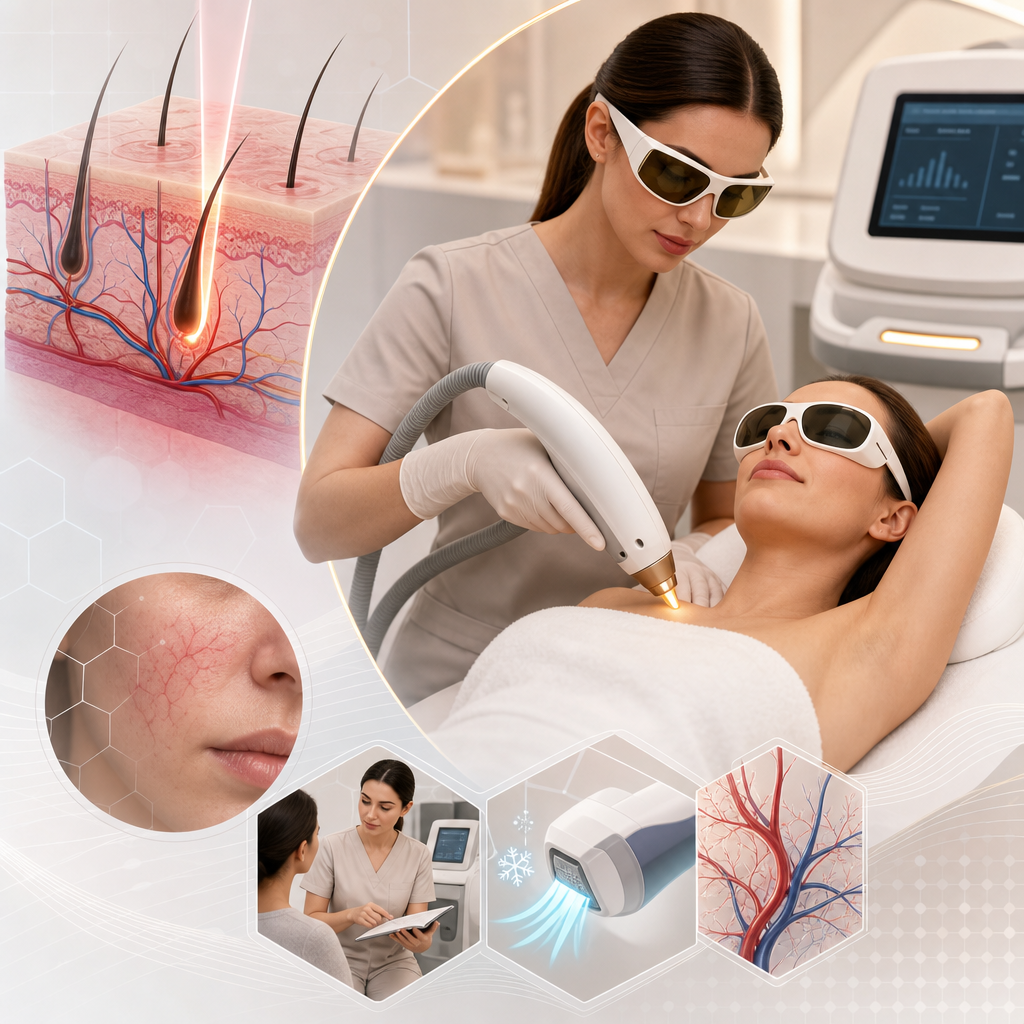
Between-session protocol: Maintain your skin barrier integrity through proper cleansing and moisturizing. Sun protection is non-negotiable—UV exposure compromises vascular health and can increase bruising risk. We recommend broad-spectrum SPF 50+ on treated areas for at least 2 weeks between sessions.
Patients who follow this protocol show faster resolution of post-treatment redness and reduced risk of complications.
Results You Can Trust: Our Track Record
Over years of vascular-conscious laser hair removal practice at Éternité Medical Aesthetics & Longevity Centers, our outcomes speak clearly. Patients with vascular concerns achieve the same smooth, permanent hair reduction as those without, while experiencing fewer complications and faster recovery. This isn’t coincidence—it’s the result of meticulous assessment and coordinated care.
Our satisfaction rates remain consistently high across all vascular risk tiers because we don’t promise impossible speed or convenience. Instead, we promise safety combined with efficacy. Patients appreciate that we prioritize understanding their unique vascular profile over rushing through a generic protocol.
The difference becomes obvious during your recovery: minimal bruising, faster fade of post-treatment redness, and clearer skin at baseline between sessions. These aren’t minor details—they reflect a treatment approach that respects the complexity of your vascular system rather than working against it.
Schedule Your Safe, Effective Laser Hair Removal Today
If you’ve hesitated about laser hair removal because of vascular concerns, rosacea, sensitive skin, or a previous negative experience, we invite you to experience the difference that coordinated vascular care makes. Your consultation at Éternité Medical Aesthetics & Longevity Centers is where we listen to your concerns, assess your unique vascular profile, and design a protocol built around safety without sacrificing results.
We serve Manhattan, the Bronx, Westchester, Staten Island, Queens, Brooklyn, and the Union County, New Jersey region. Contact us to schedule your vascular assessment and treatment consultation. Together, we’ll create a roadmap to smooth, hair-free skin that honors your body’s vascular health.
For further reading: Premium skin rejuvenation, SKINVIVE treatment.
Contact Us Today For A Free Consultation
Frequently Asked Questions (FAQ)
Why do you assess vascular health before laser hair removal?
We conduct a comprehensive vascular assessment because blood vessels in the treatment area can interact with laser energy in unpredictable ways, potentially leading to complications like burns, purpura, or prolonged inflammation. Our approach allows us to identify vascular concerns upfront so we can adjust laser settings, cooling protocols, and treatment timing to ensure your safety and optimal results.
How do you protect my blood vessels during laser treatment?
We deploy advanced cooling technologies that protect surrounding tissue while the laser targets hair follicles, and we customize laser settings based on your specific vascular profile. Our practitioners are trained to recognize vascular patterns during treatment and modify parameters in real time, which reduces risk and ensures your skin heals properly without vascular-related side effects.
What happens if I have visible veins or vascular concerns?
We don’t avoid treating areas with vascular concerns; instead, we develop a customized protocol that accounts for them. During your consultation, we assess the location and prominence of your blood vessels, choose appropriate laser wavelengths and power levels, and may recommend spacing treatments further apart to allow your vascular system to recover fully between sessions.