


Table of Contents
- 1. Understanding Cellular Skin Repair and Why It Matters for Anti-Aging
- 2. Traditional Chemical Peels vs. Advanced Cellular Repair Technologies
- 3. Microneedling with RF: How We Combine Modalities for Superior Results
- 4. Exosome Therapy: The Latest Innovation in Cellular Regeneration
- 5. PRP and Vampire Facials: Harnessing Your Body's Healing Power
- 6. Radiofrequency Microneedling for Deep Collagen Stimulation
- 7. Peptide Therapy: Supporting Cellular Repair from Within and Without
- Frequently Asked Questions (FAQ)
1. Understanding Cellular Skin Repair and Why It Matters for Anti-Aging
Your skin tells the story of your life. Sun exposure, stress, environmental toxins, and the natural passage of time all leave their mark at the cellular level. By your mid-forties and beyond, most people notice their skin losing elasticity, developing fine lines, and showing signs of uneven texture. The frustration isn’t just aesthetic—it’s the recognition that the regenerative capacity your skin once had has slowed considerably.
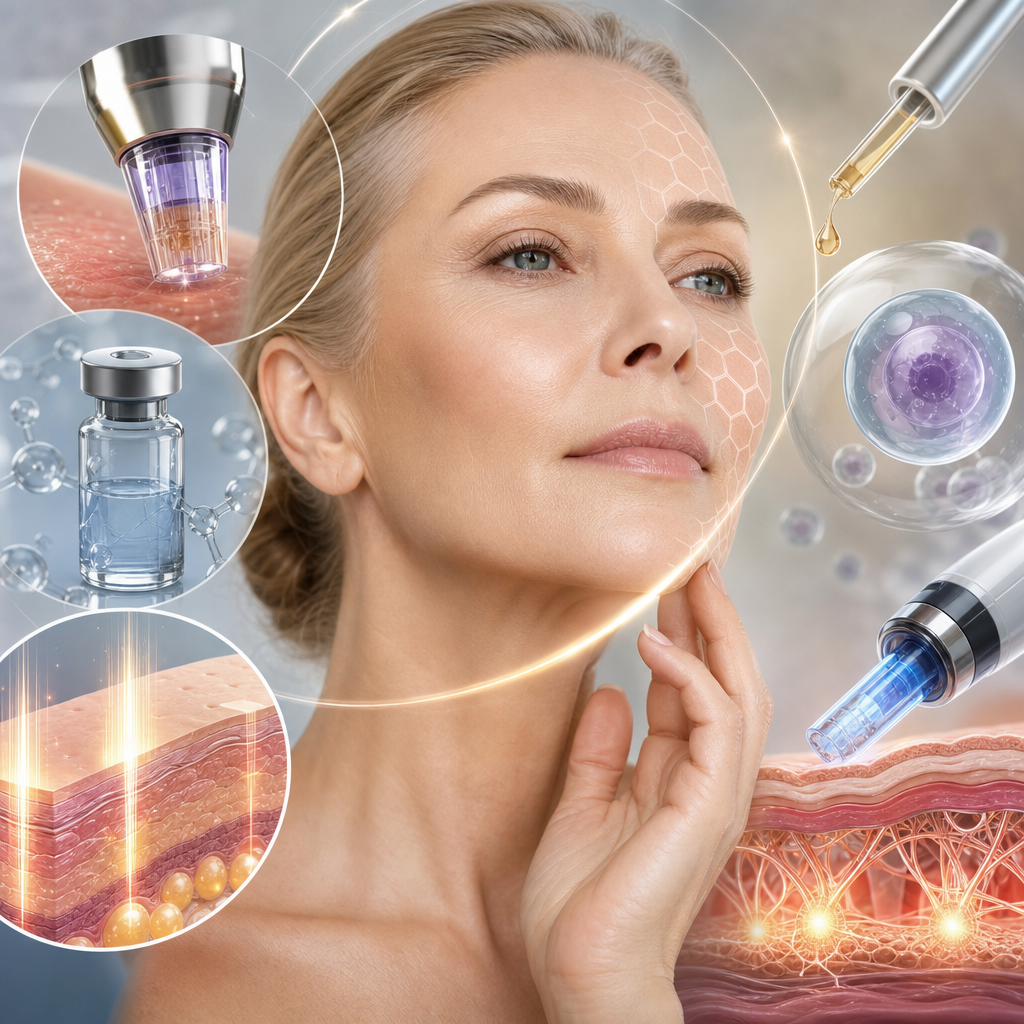
Cellular skin repair refers to therapeutic interventions designed to activate and support your skin’s natural regeneration processes at the deepest biological level. Unlike surface treatments that provide temporary improvement, true cellular repair stimulates fibroblasts (collagen-producing cells), increases growth factor production, and enhances circulation to deliver oxygen and nutrients precisely where skin needs it most.
Your skin ages because collagen production declines roughly 1 percent per year after age thirty. This isn’t inevitable decline you must accept passively. When we strategically trigger cellular repair mechanisms, we can reverse this trajectory measurably. The science is clear: targeted stimulation of repair pathways produces new collagen, improves skin texture, reduces pigmentation irregularities, and strengthens the dermal-epidermal junction where skin thickness is determined.
We choose cellular repair therapies specifically because they work with your body’s biology rather than against it. This means results improve progressively over months as new collagen continues to form, and the benefits compound with maintenance treatments. You’re not fighting aging—you’re redirecting your skin’s natural healing capacity toward restoration.
Your actionable next step: Schedule a consultation to assess which cellular repair modality matches your specific aging patterns and skin goals.
2. Traditional Chemical Peels vs. Advanced Cellular Repair Technologies
Chemical peels have been a skincare cornerstone for decades, and they remain useful for specific concerns. A traditional chemical peel uses acids to dissolve the outer layer of skin, triggering controlled inflammation and surface renewal. Results appear relatively quickly—typically within a week or two—which appeals to many patients seeking visible transformation before events.
However, chemical peels operate primarily at the epidermis (the outermost skin layer). While useful for addressing surface pigmentation, texture, and mild scarring, they don’t meaningfully stimulate deep collagen remodeling or address the fundamental loss of skin structure that defines aging. The results are temporary; new surface cells inevitably slough off within months, requiring repeated treatments indefinitely.
Advanced cellular repair technologies like radiofrequency microneedling, exosome therapy, and PRP-based treatments penetrate into the dermis and subdermis where collagen lives. They trigger a fundamentally different biological response: sustained neocollagenesis (new collagen formation). The improvements deepen over three to six months as collagen rebuilds, and the structural changes last considerably longer than surface-level peels.
This doesn’t mean we abandon chemical peels entirely. At Éternité Medical Aesthetics & Longevity Centers, we often combine VI Peel and other advanced peeling systems with cellular repair therapies to address both surface and deep concerns simultaneously. But for genuine anti-aging results that reverse visible aging rather than temporarily refresh appearance, advanced cellular repair is the foundation.
Your actionable next step: If you’ve relied on traditional peels but haven’t seen lasting improvement, consider layering in a deeper cellular repair treatment.
3. Microneedling with RF: How We Combine Modalities for Superior Results
Microneedling creates controlled micro-injuries that stimulate collagen production. Radiofrequency (RF) energy then heats deeper dermal tissue, amplifying that collagen response. Combined, these modalities create synergistic cellular repair that neither could achieve alone.
Here’s how it works: Microneedling channels RF energy directly into the dermis through tiny needles. This prevents energy loss at the skin surface and ensures deep, uniform heating. Your body responds to this precise thermal stimulus by recruiting fibroblasts and accelerating collagen synthesis. Simultaneously, the micro-channels created by needles allow growth factors and nutrient-rich serum to penetrate deeply, further supporting repair.
The result? Patients typically see improvement in skin texture and firmness within two weeks, with continued refinement over three to four months. Unlike traditional microneedling alone, which requires multiple sessions to achieve meaningful results, RF microneedling delivers dramatic transformation in fewer treatments. Skin becomes noticeably thicker, more elastic, and radiant.
At Éternité Medical Aesthetics & Longevity Centers, we employ devices like Morpheus8 body and InMode Fractora, which represent the pinnacle of combined-modality technology. These systems allow us to customize depth, intensity, and treatment patterns to your specific anatomy and concerns, whether addressing facial lines, neck laxity, or body skin texture.
Your actionable next step: Discuss with your provider whether RF microneedling should be your primary cellular repair foundation, particularly if you have moderate-to-advanced skin laxity or texture concerns.
4. Exosome Therapy: The Latest Innovation in Cellular Regeneration
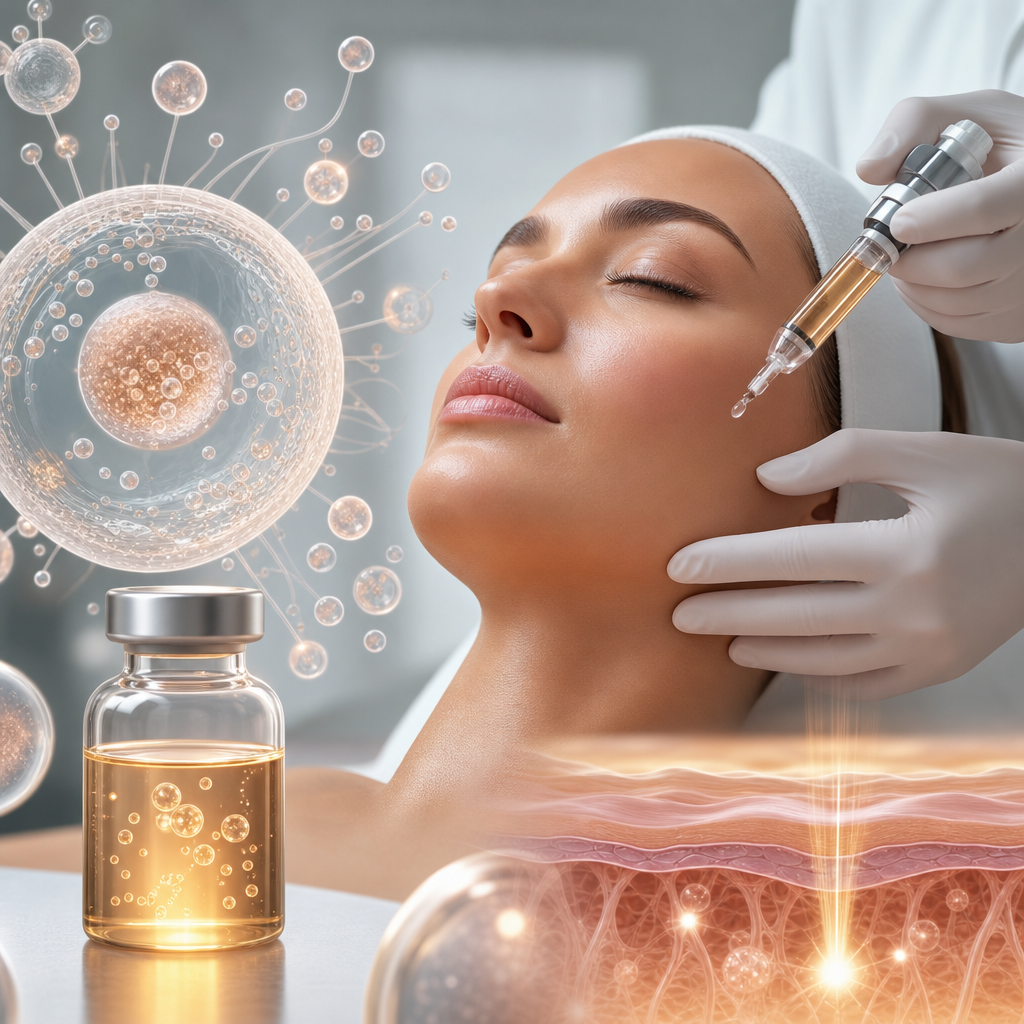
Exosomes represent a paradigm shift in regenerative medicine. These microscopic extracellular vesicles are naturally produced by stem cells and carry proteins, growth factors, and genetic material that trigger profound healing responses in recipient cells. When applied topically during facials or injected into targeted areas, exosomes essentially “communicate” with your skin cells, instructing them to repair, regenerate, and rejuvenate.
The science is compelling: exosomes contain over 150 bioactive compounds including collagen-stimulating peptides, anti-inflammatory cytokines, and powerful antioxidants. They work by delivering these signaling molecules directly into your skin cells, initiating repair pathways at the genomic level. Unlike topical serums that merely sit on the surface, exosomes actually enter cells and create lasting transformation.
We’ve observed that patients using exosome facials experience improvements in skin radiance, firmness, and clarity within days—improvements that continue deepening over weeks as cellular repair accelerates. Exosomes are particularly powerful when combined with microneedling, which creates micro-channels allowing deeper penetration. This combination represents one of the most advanced cellular regeneration protocols available today.
Exosome therapy also works from the inside out. When combined with systemic peptide therapy and proper cellular nutrition, exosome treatments create a synergistic regenerative environment where your skin has all the biological signals and raw materials it needs to rebuild itself optimally.
Your actionable next step: Ask whether exosome therapy should complement your primary cellular repair protocol, especially if you’re seeking accelerated or enhanced results.
5. PRP and Vampire Facials: Harnessing Your Body’s Healing Power
Platelet-rich plasma (PRP) therapy draws from your own blood, isolates the healing-promoting platelets, concentrates them, and reintroduces this powerful serum into your skin. Your platelets contain growth factors that orchestrate tissue repair. When concentrated PRP contacts injured or aging tissue, it triggers accelerated healing and collagen formation.
The term “vampire facial” refers to PRP combined with microneedling. The micro-channels created by needles allow PRP to penetrate deeply into the dermis where it can exert maximum effect. The result is impressive: patients see improved texture, reduced pore size, improved complexion evenness, and enhanced skin thickness.
What makes PRP compelling is that it’s autologous (derived from your own body), meaning zero foreign substances enter your system. For patients who prefer a natural regenerative approach without synthetic compounds, PRP is ideal. Additionally, because growth factors are from your own immune system, your body recognizes and accepts them completely, maximizing therapeutic benefit.
We’ve found that PRP works exceptionally well for patients with sensitive skin, those recovering from procedures, and anyone seeking regeneration without synthetic stimulants. When performed quarterly as part of a maintenance protocol, PRP helps sustain collagen levels and keeps skin visibly rejuvenated year-round.
Your actionable next step: Consider PRP if you value natural, body-derived regeneration or if you’re managing sensitive skin that doesn’t tolerate aggressive modalities well.
6. Radiofrequency Microneedling for Deep Collagen Stimulation
We’ve touched on RF microneedling, but it deserves detailed attention because of its transformative capacity. Traditional radiofrequency devices heat skin from outside, with significant energy lost in the epidermis. RF microneedling bypasses this problem entirely by delivering heat directly into the dermis through needle channels.
This precision allows controlled thermal stimulus without surface damage. Your skin experiences minimal visible downtime while undergoing profound collagen remodeling deep below the surface. Treatments typically require minimal recovery—perhaps slight redness for 24 hours—yet results rival or exceed more aggressive procedures.
The mechanism is elegant: RF energy creates precise zones of controlled thermal damage in the dermis, stimulating your body’s repair response. Fibroblasts migrate to these areas, deposit new collagen, and remodel existing collagen. Over three to six months, skin becomes dramatically firmer, smoother, and more defined. Skin texture improves, fine lines soften, and even moderate wrinkles show meaningful improvement.
At Éternité Medical Aesthetics & Longevity Centers, we strategically customize RF microneedling parameters based on your specific concerns. Treating the full face differs from addressing stubborn neck laxity or chest texture. We adjust needle depth, RF intensity, and pattern to optimize results for your unique anatomy.
Your actionable next step: If skin laxity or advanced texture concerns are your primary aging issues, RF microneedling should be a cornerstone of your anti-aging strategy.
7. Peptide Therapy: Supporting Cellular Repair from Within and Without
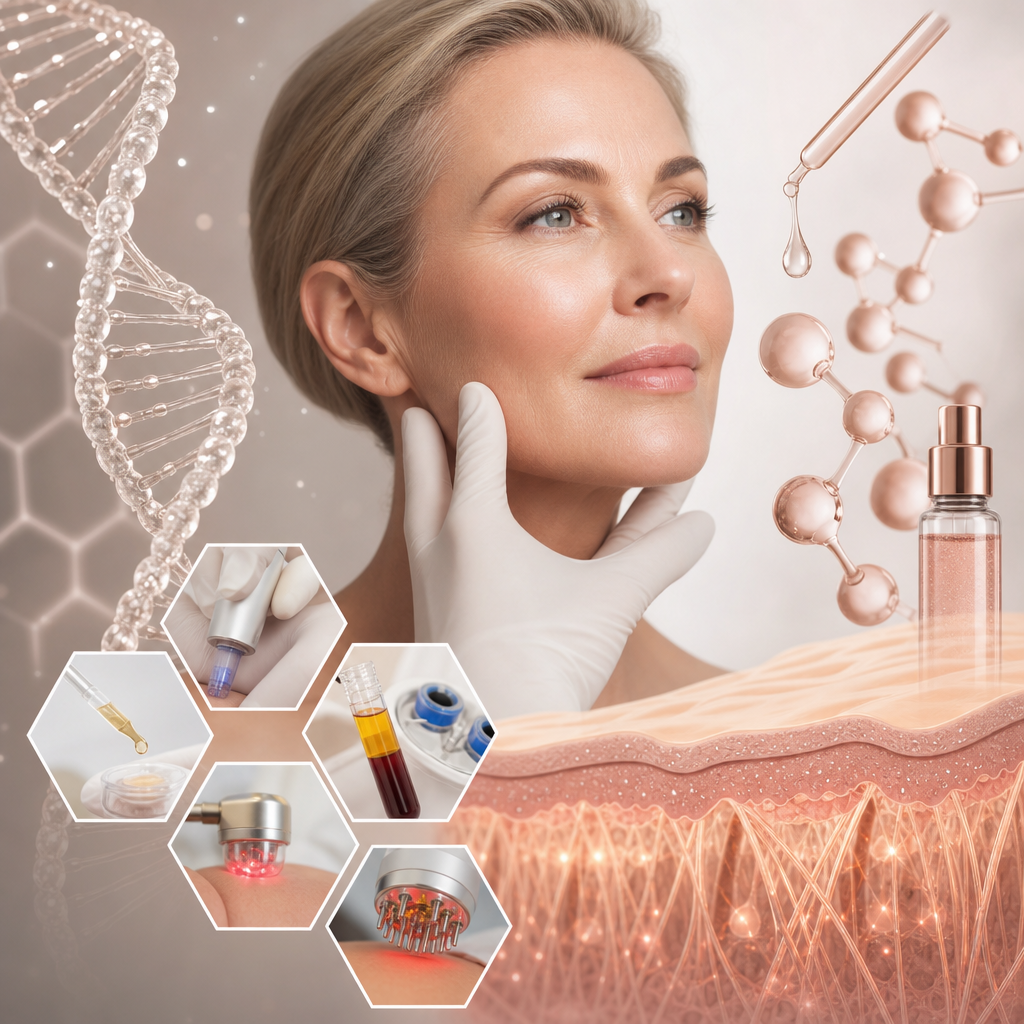
Peptides are short chains of amino acids that function as cellular signaling molecules. Specific peptides stimulate collagen production, enhance skin elasticity, improve barrier function, and support cellular turnover. When administered as part of a comprehensive longevity protocol—either through injections, oral supplementation, or topical application—peptides amplify the results of your physical treatments while supporting systemic anti-aging.
Think of physical cellular repair therapies (microneedling, RF, exosomes) as the stimulus telling your body “rebuild.” Peptides provide the biological instructions and raw materials supporting that rebuilding process. Combined, they create a comprehensive regenerative environment where results accelerate and persist longer.
We recommend peptide therapy as a complement to, not replacement for, physical treatments. When a patient undergoes RF microneedling or exosome therapy while simultaneously supporting collagen synthesis through targeted peptide therapy, the combined effect is substantially greater than either approach alone. Skin becomes noticeably thicker, more elastic, and more resilient to future damage.
Systemic peptide therapy also supports non-skin anti-aging goals. Collagen peptides support joint health and mobility. Growth hormone-releasing peptides support metabolic optimization and body composition. At Éternité Medical Aesthetics & Longevity Centers, we take a truly integrated approach, recognizing that skin health reflects overall cellular health and longevity.
Your actionable next step: Discuss peptide therapy protocols with our longevity specialists to determine which peptides support your specific aesthetic and wellness goals.
Contact Us Today For A Free Consultation
Frequently Asked Questions (FAQ)
What results can I expect from cellular skin repair therapies at Éternité?
Our cellular skin repair treatments work by stimulating your body’s natural regeneration processes to rebuild collagen, improve skin texture, and restore a more youthful appearance. Most of our patients notice visible improvements in fine lines, skin elasticity, and overall radiance within 4-6 weeks, with optimal results developing over several months as new collagen continues to form. The timeline and extent of results depend on which therapy we recommend for your specific concerns and skin type.
How do we determine which cellular repair therapy is right for me?
We conduct a comprehensive consultation to evaluate your skin’s current condition, your aesthetic goals, and your skin type before recommending a treatment plan. During this assessment, we discuss whether you’d benefit most from RF microneedling for deep collagen stimulation, exosome therapy for advanced cellular regeneration, PRP treatments that harness your body’s healing factors, or peptide protocols that support repair from within. Our medical team may also recommend combining multiple modalities to deliver superior results tailored to your unique needs.
Is there downtime associated with these cellular repair treatments?
Most of our patients experience minimal downtime, though this varies by treatment. RF microneedling and advanced peels typically result in mild redness and slight swelling for a few days, while exosome therapy and peptide treatments often allow you to return to normal activities immediately. We provide detailed aftercare instructions for each therapy to ensure optimal healing and results, and our team is available to address any questions during your recovery.